Why are we throwing away so much good food?
Let's actually figure it out.
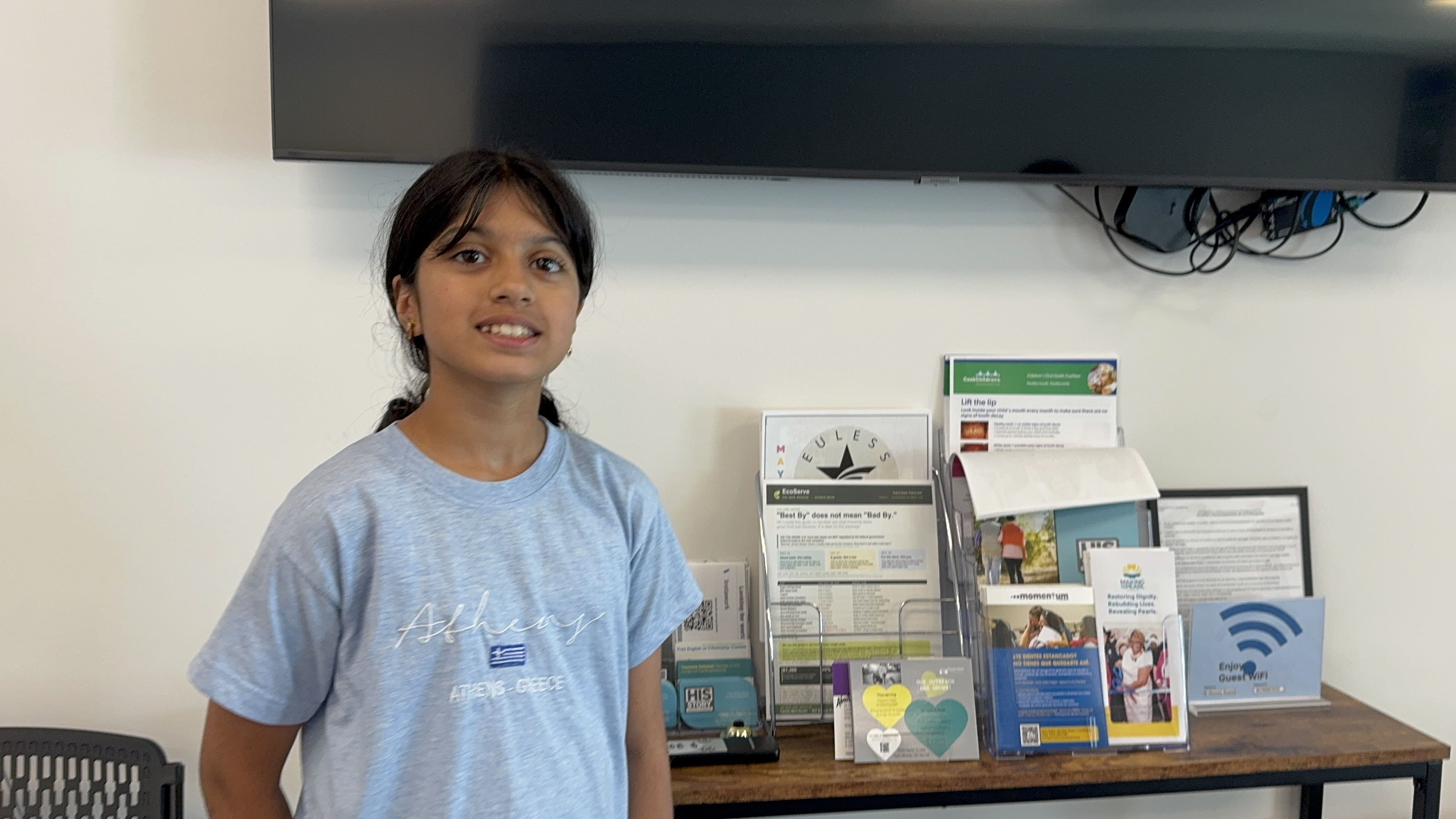
Hi! I'm Sri. I'm eleven. I built a little sensor that can tell when food has actually gone bad, about 8 hours before your nose figures it out. I'm using it to help families and food pantries waste less, so more good food can feed people who are hungry.
- 24 Experiments (so far)
- 5 Versions of the gadget
- 8 hrs Faster than your nose
- 1.3M Hungry neighbors in DFW
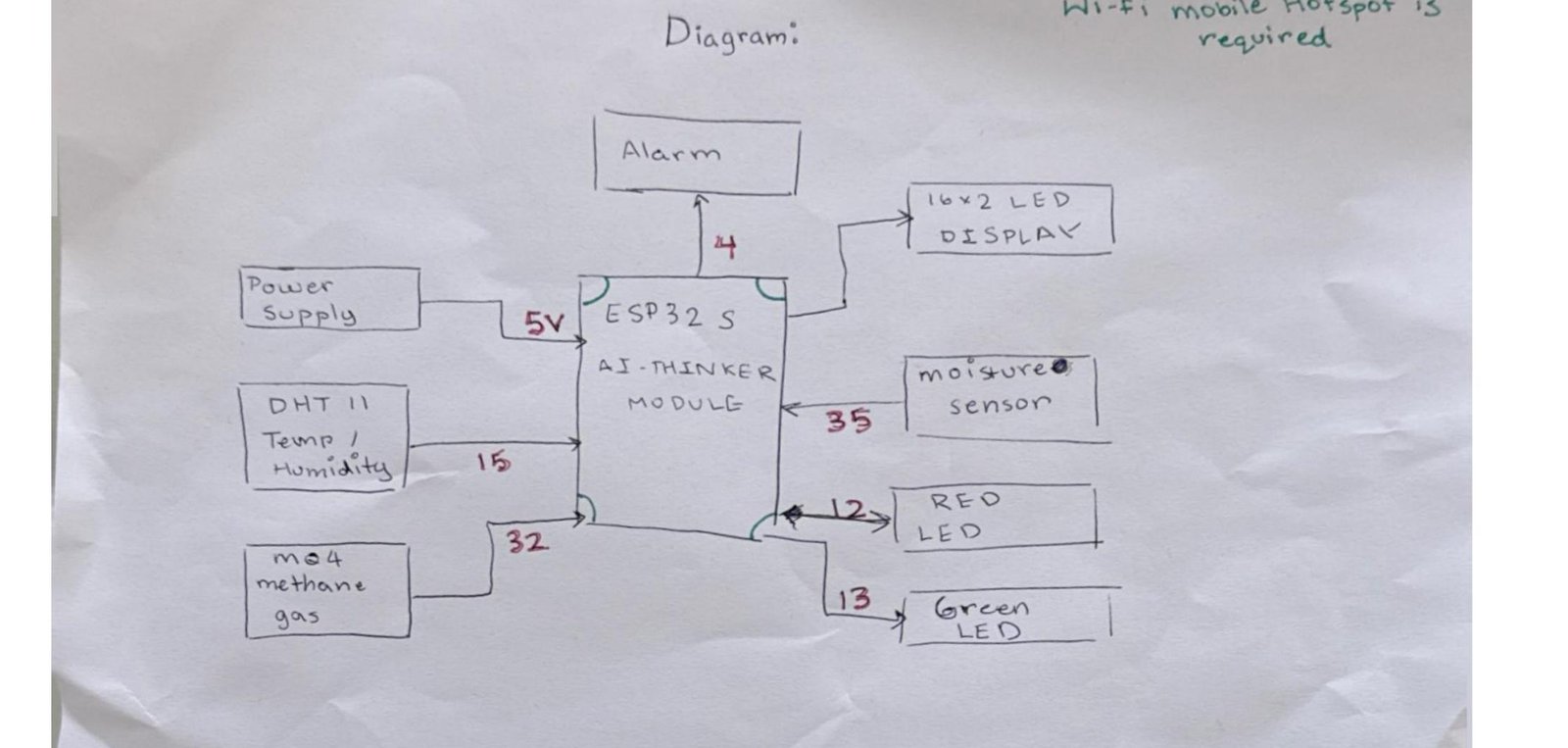
My V5 wiring diagram. The real photos live on the lab notebook.
These numbers bother me a lot.
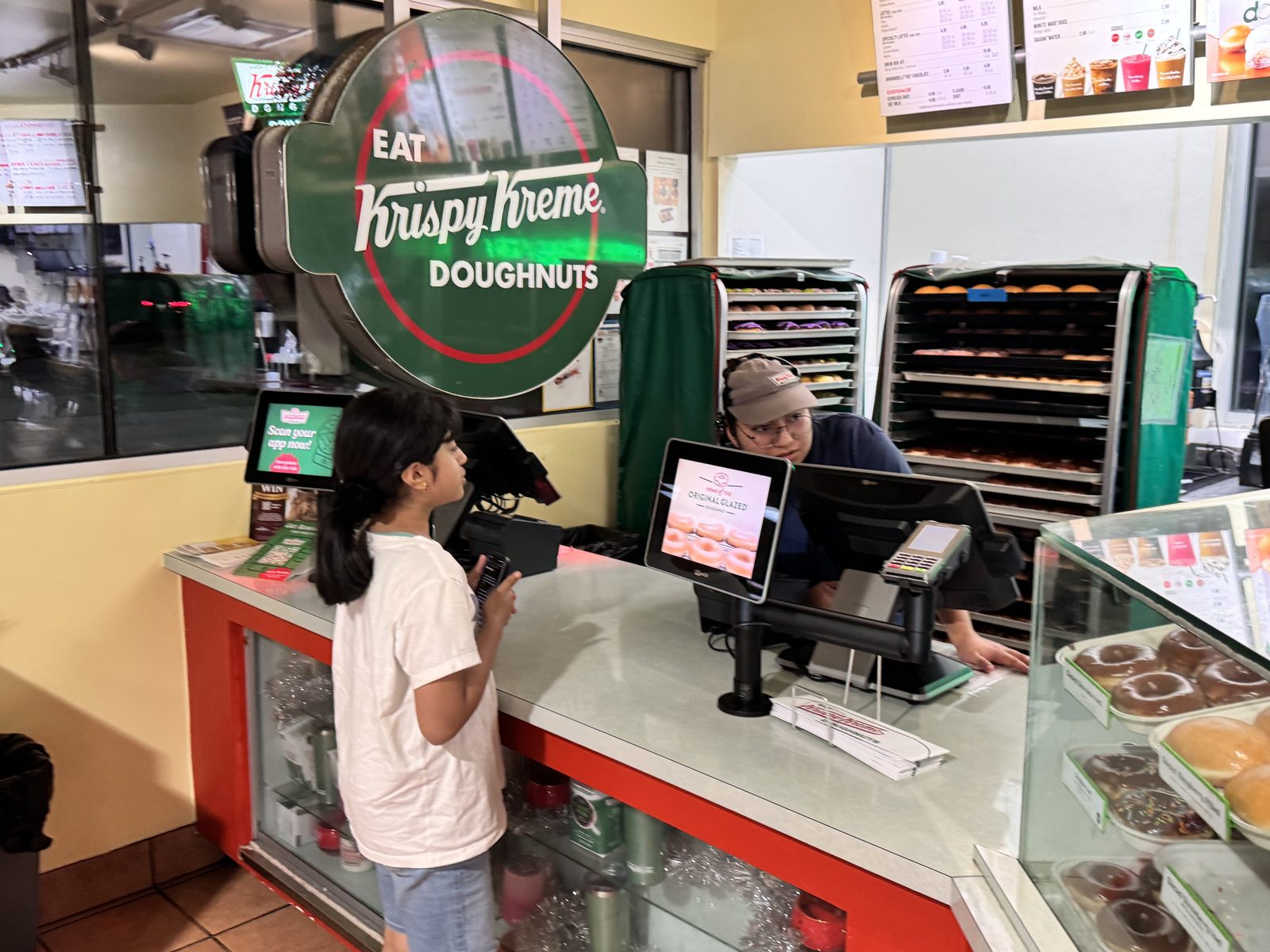
The 6,000 Donut Mystery.
One day at my favorite donut shop, I asked how many donuts they throw away each day. The answer? About six thousand. Every. Day. Not because the donuts are bad, but because they're scared the donuts might be.
"Wait. So many people are hungry, and all this perfectly good food is just being tossed? There has to be a way to actually know if food is bad. Not guess."
So that became my whole project. Seven months of late-night reading, a giant box of parts, five versions of the gadget, and 24 experiments (lots of them failed, which is normal!). The point: a little sensor that can tell when food has actually gone bad, instead of trusting a printed date that doesn't really mean what people think it means.
Read the full storyEvery weekend looks like this.
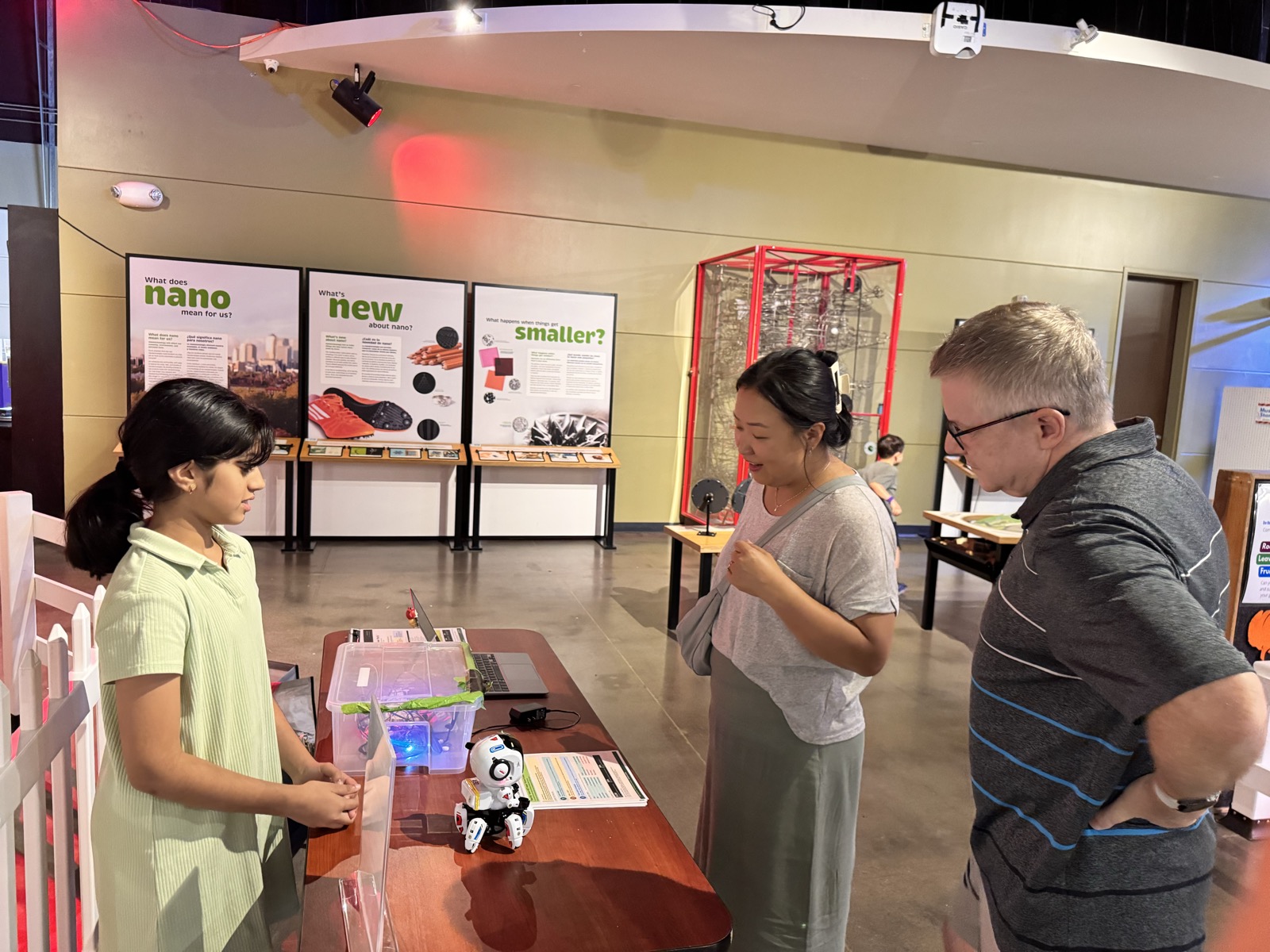
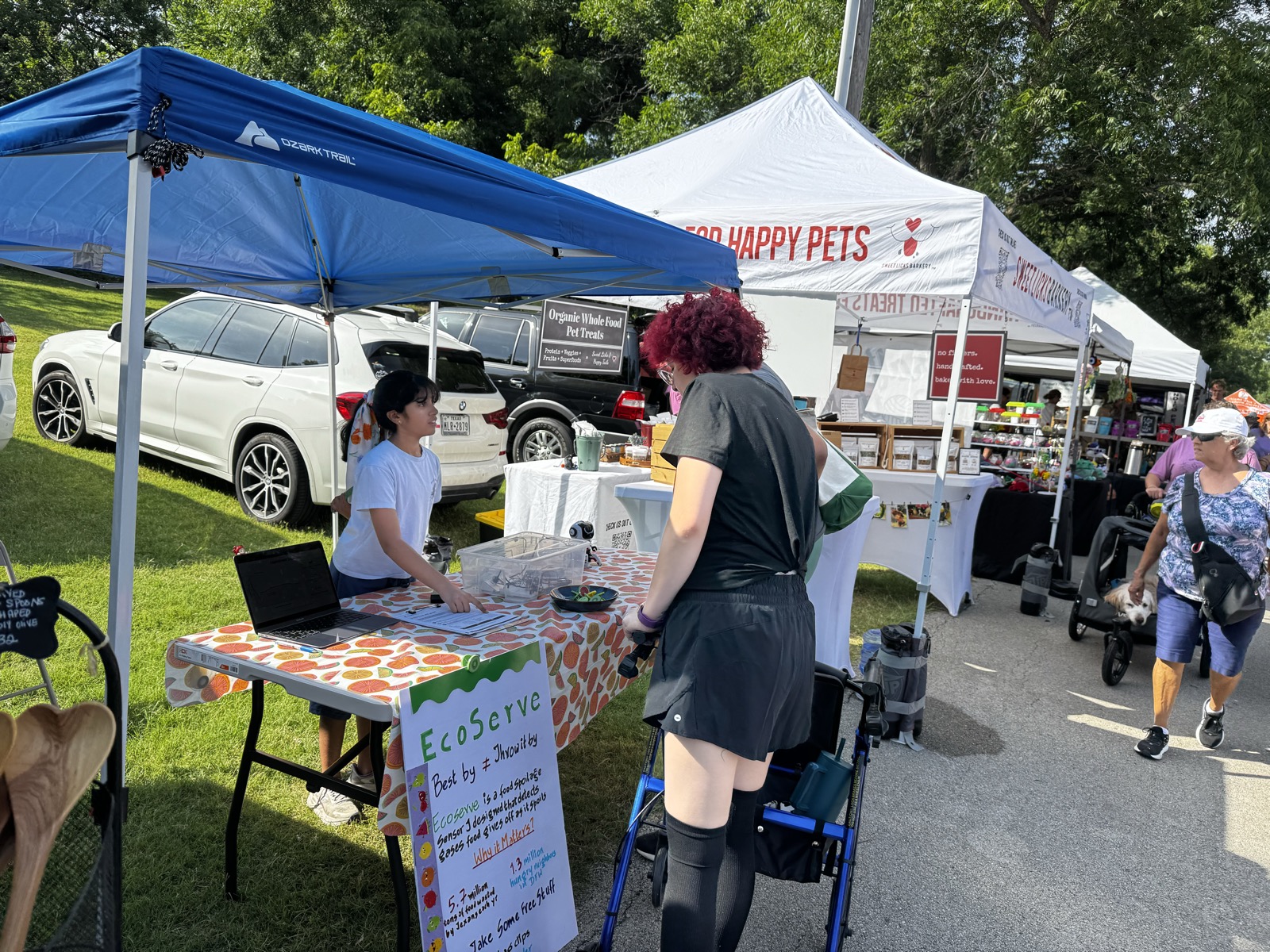
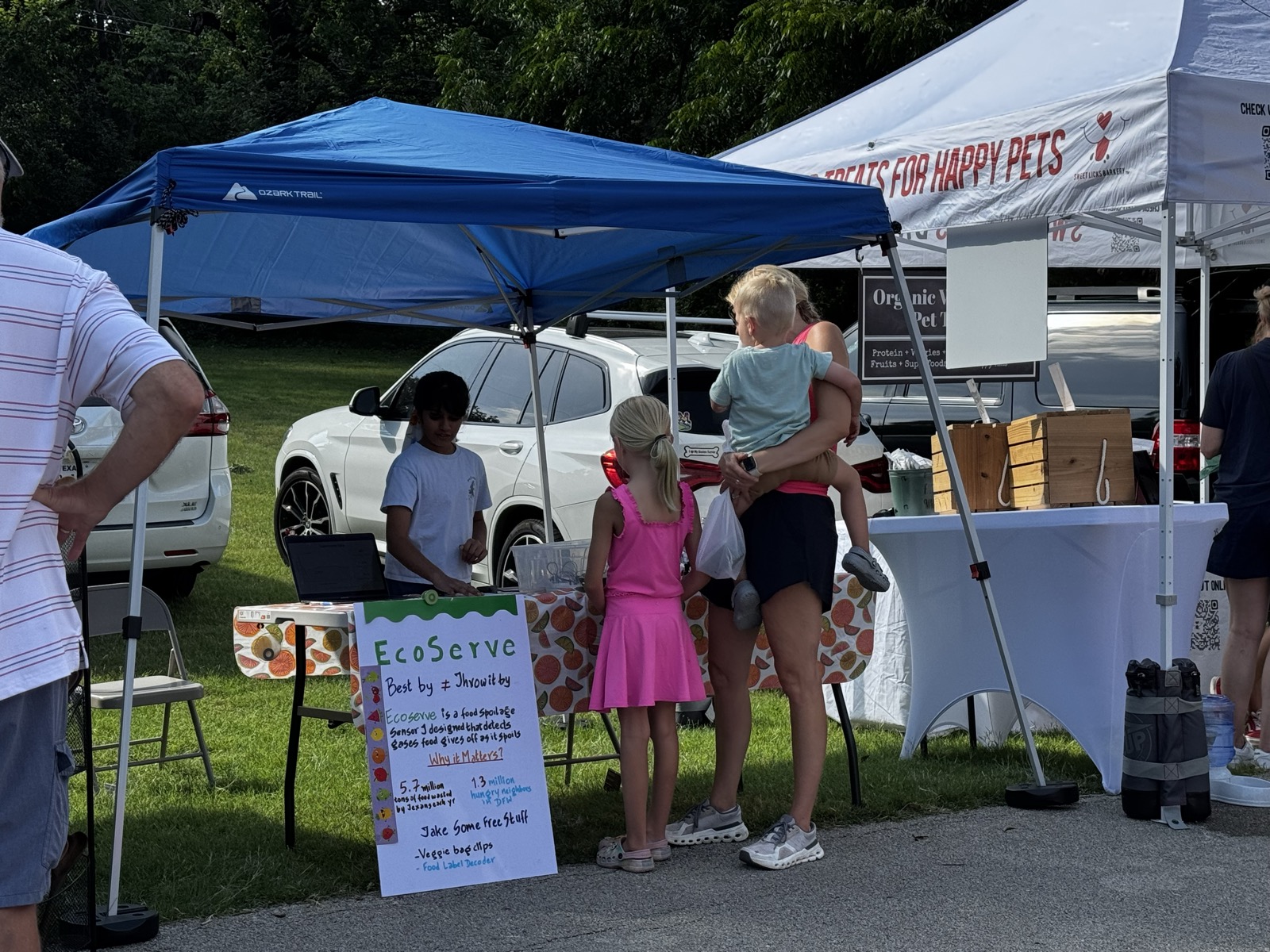
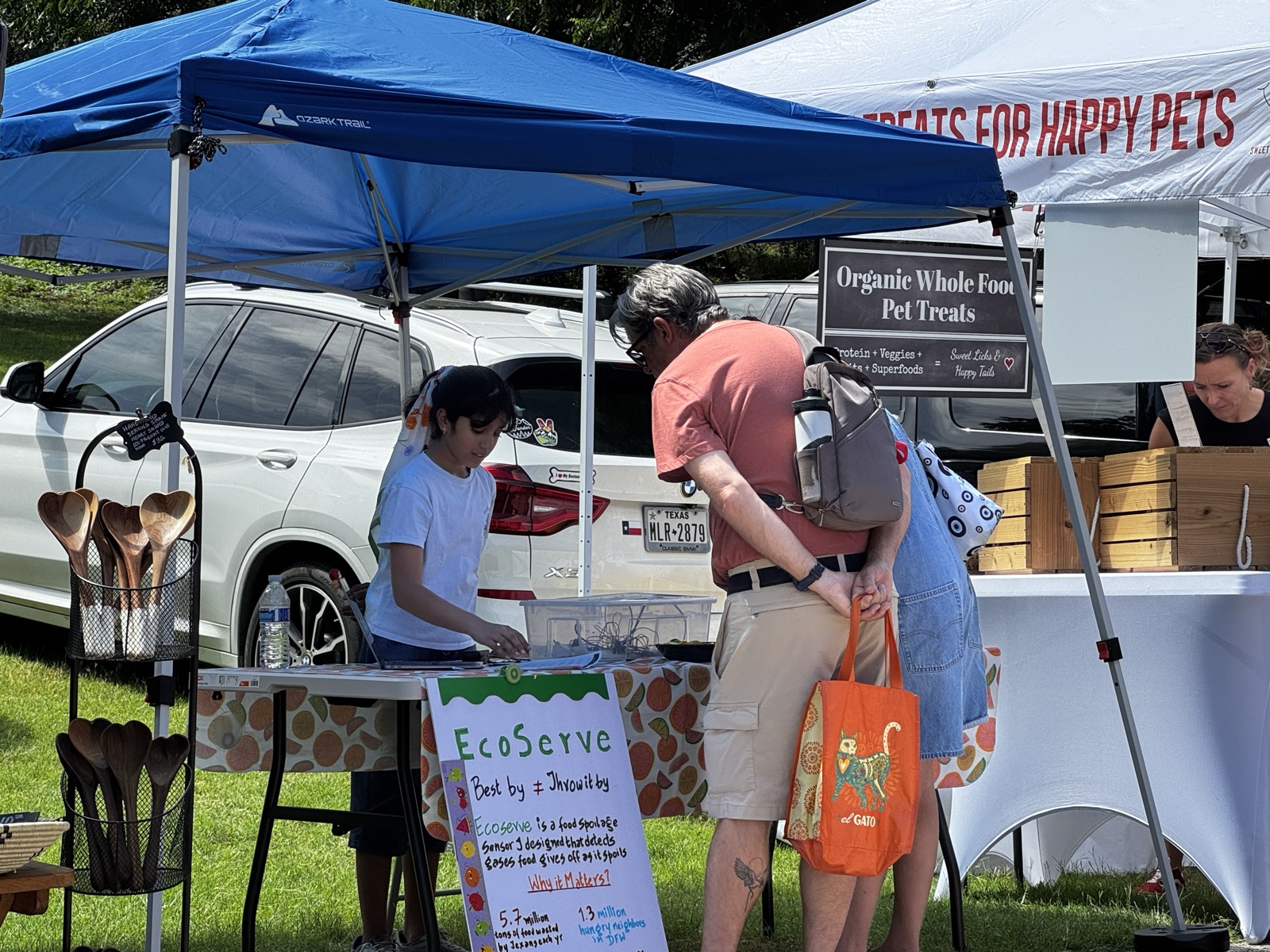
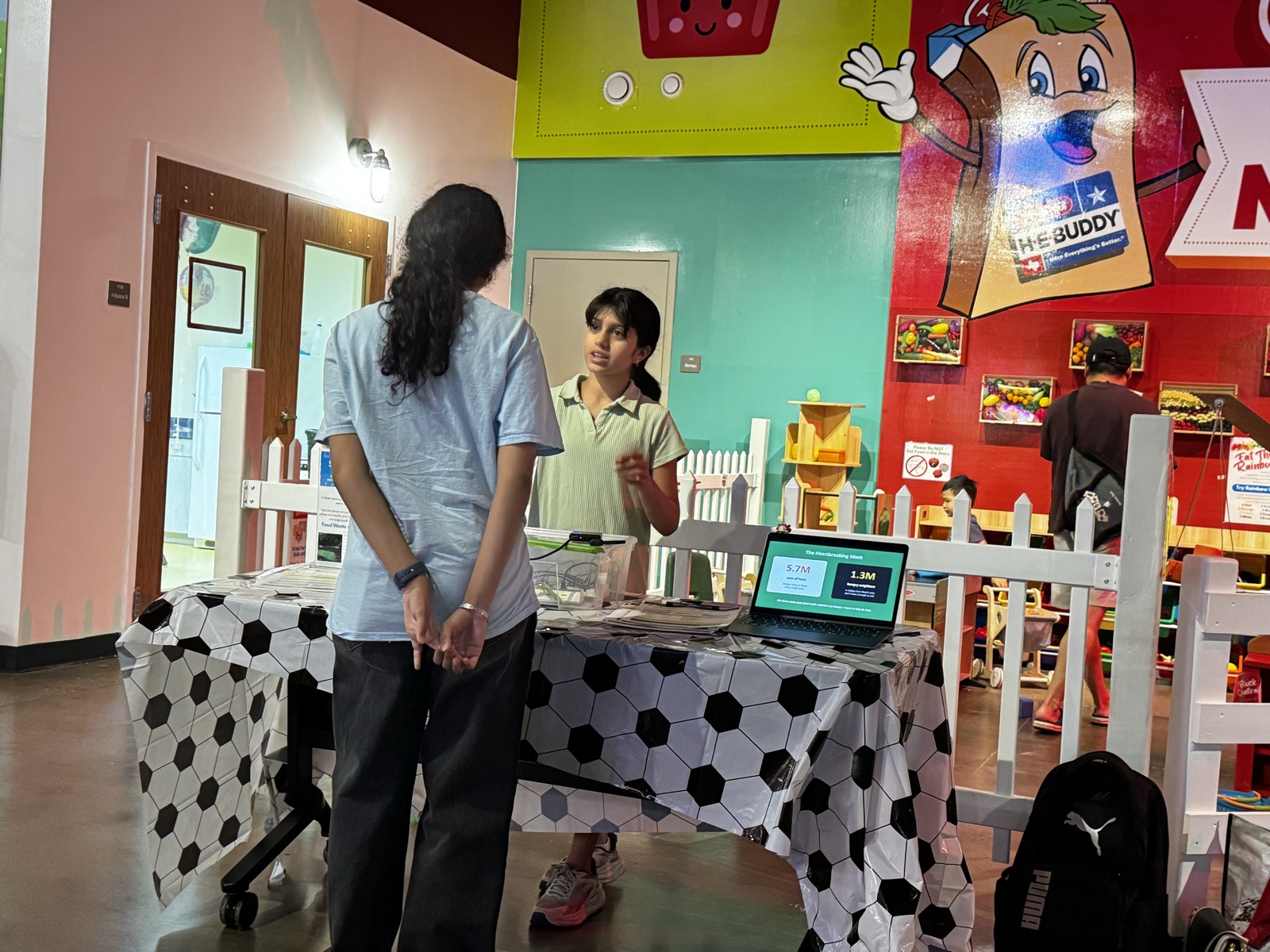
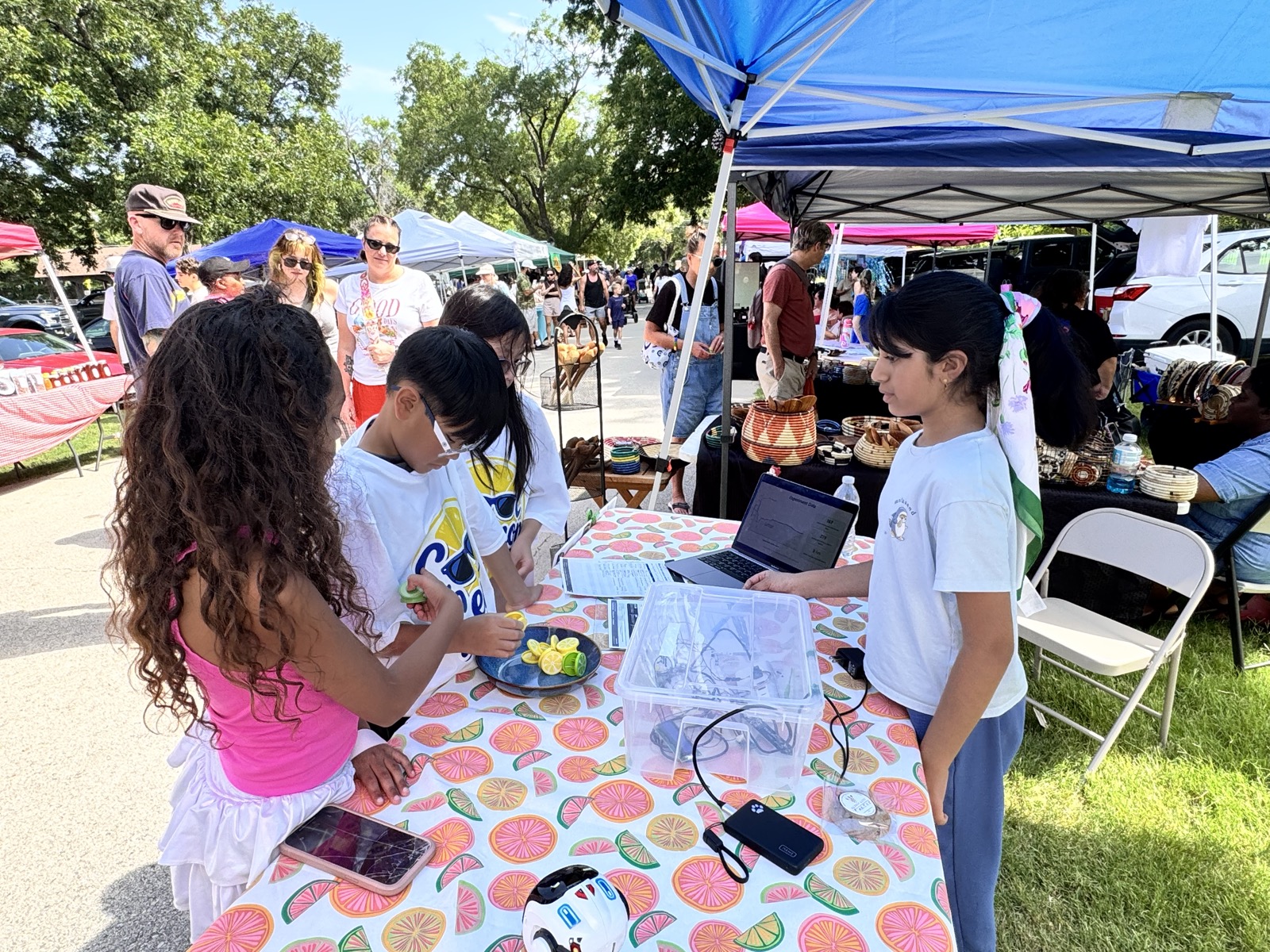
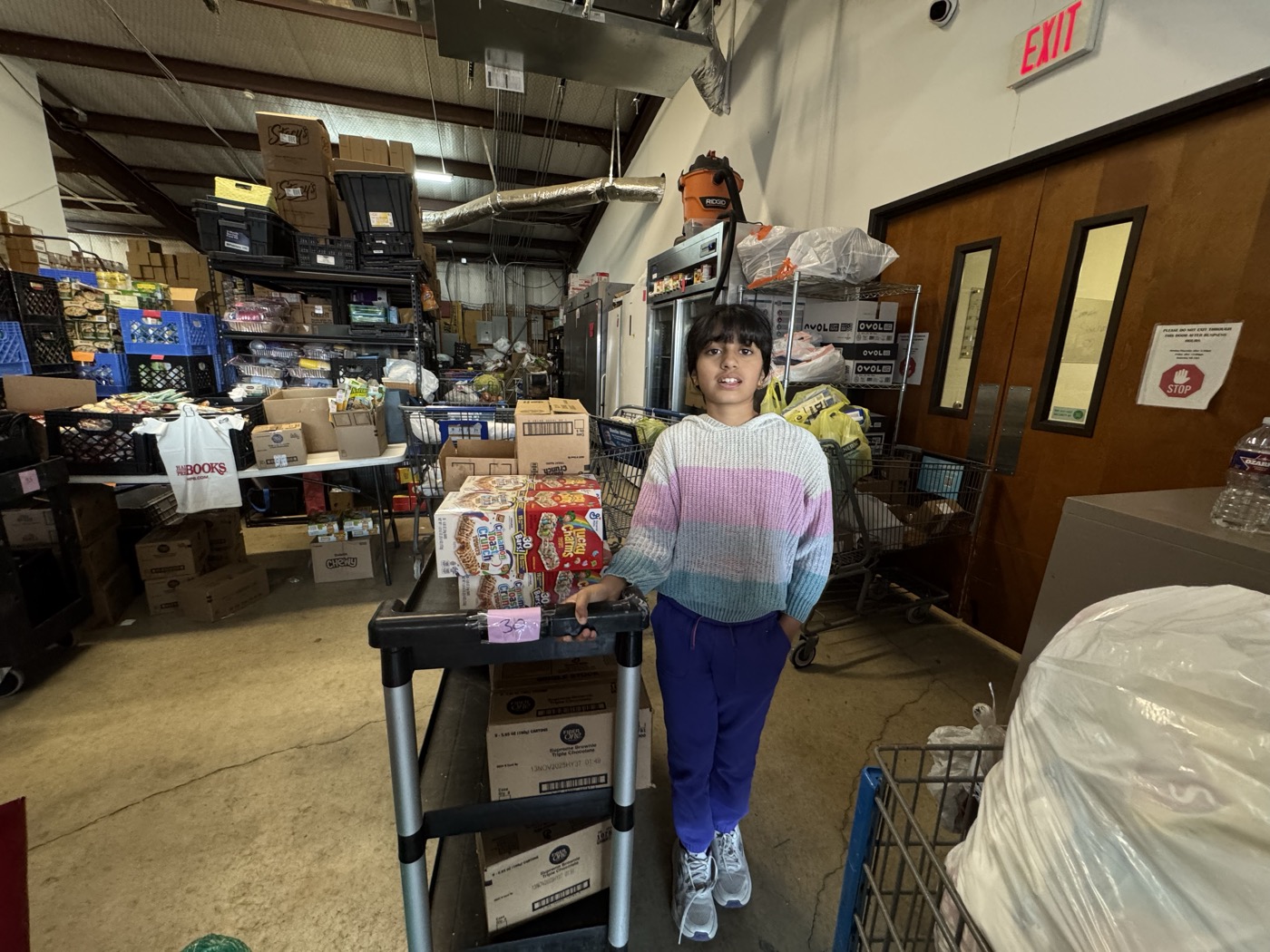
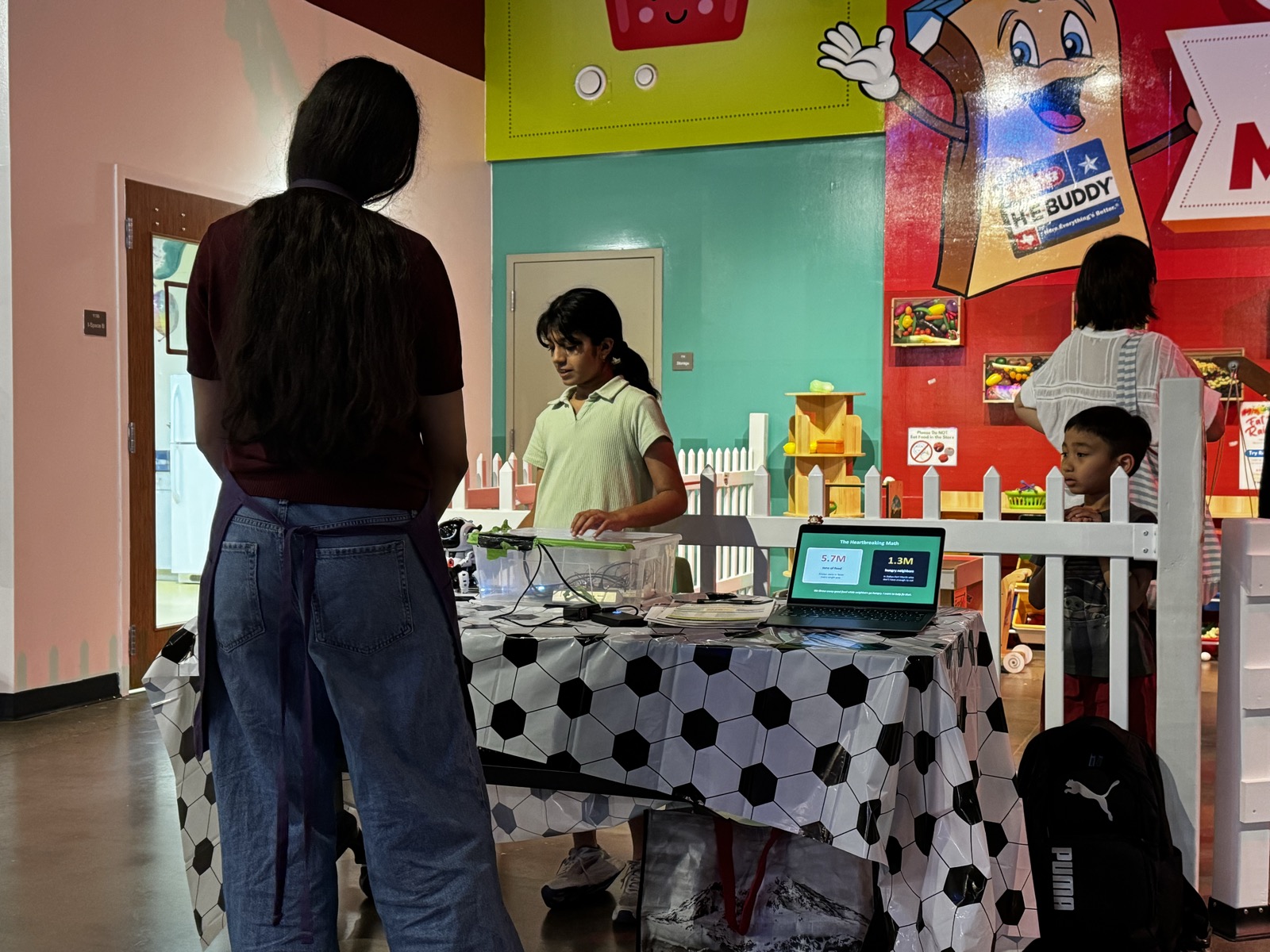
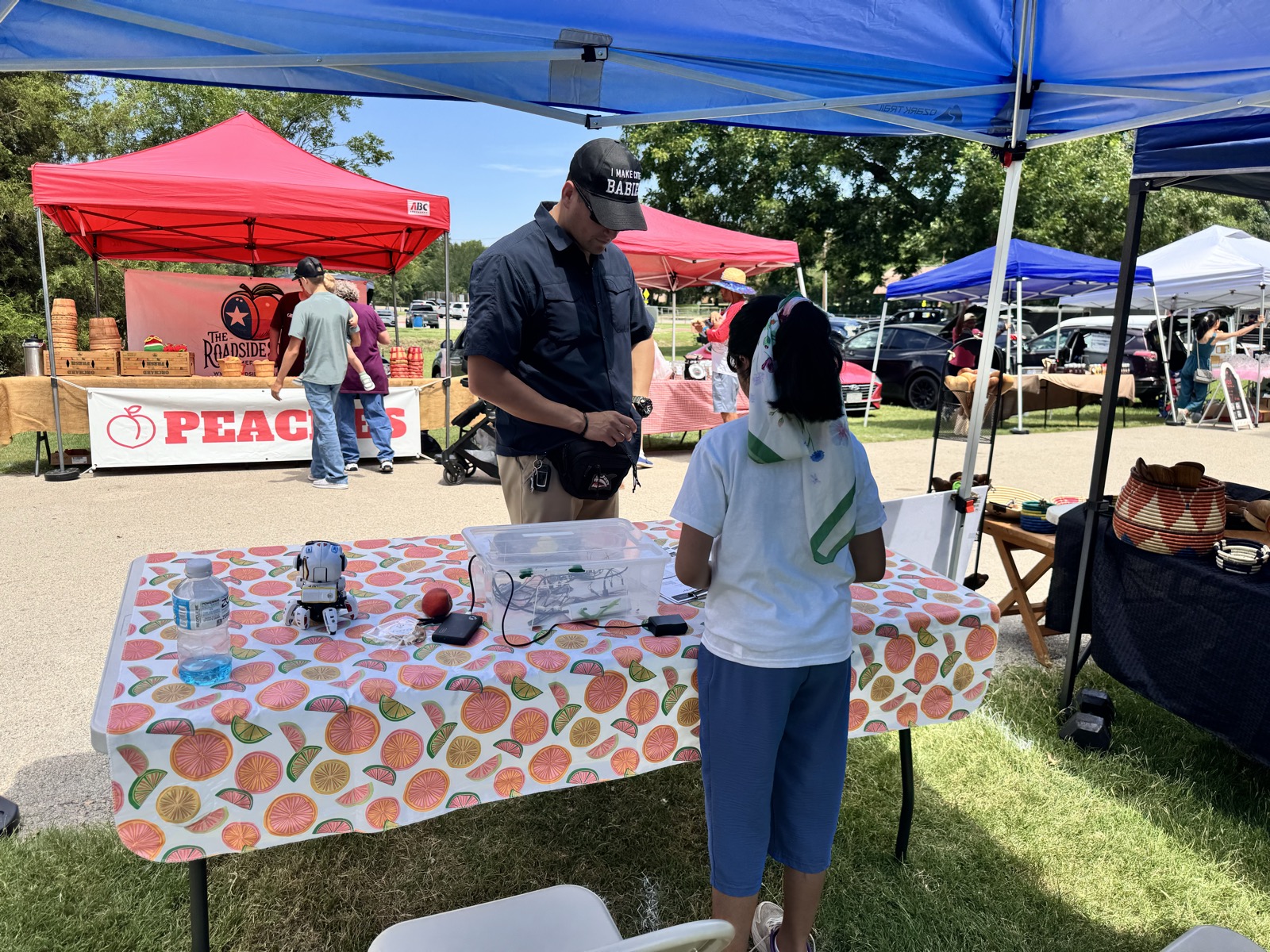
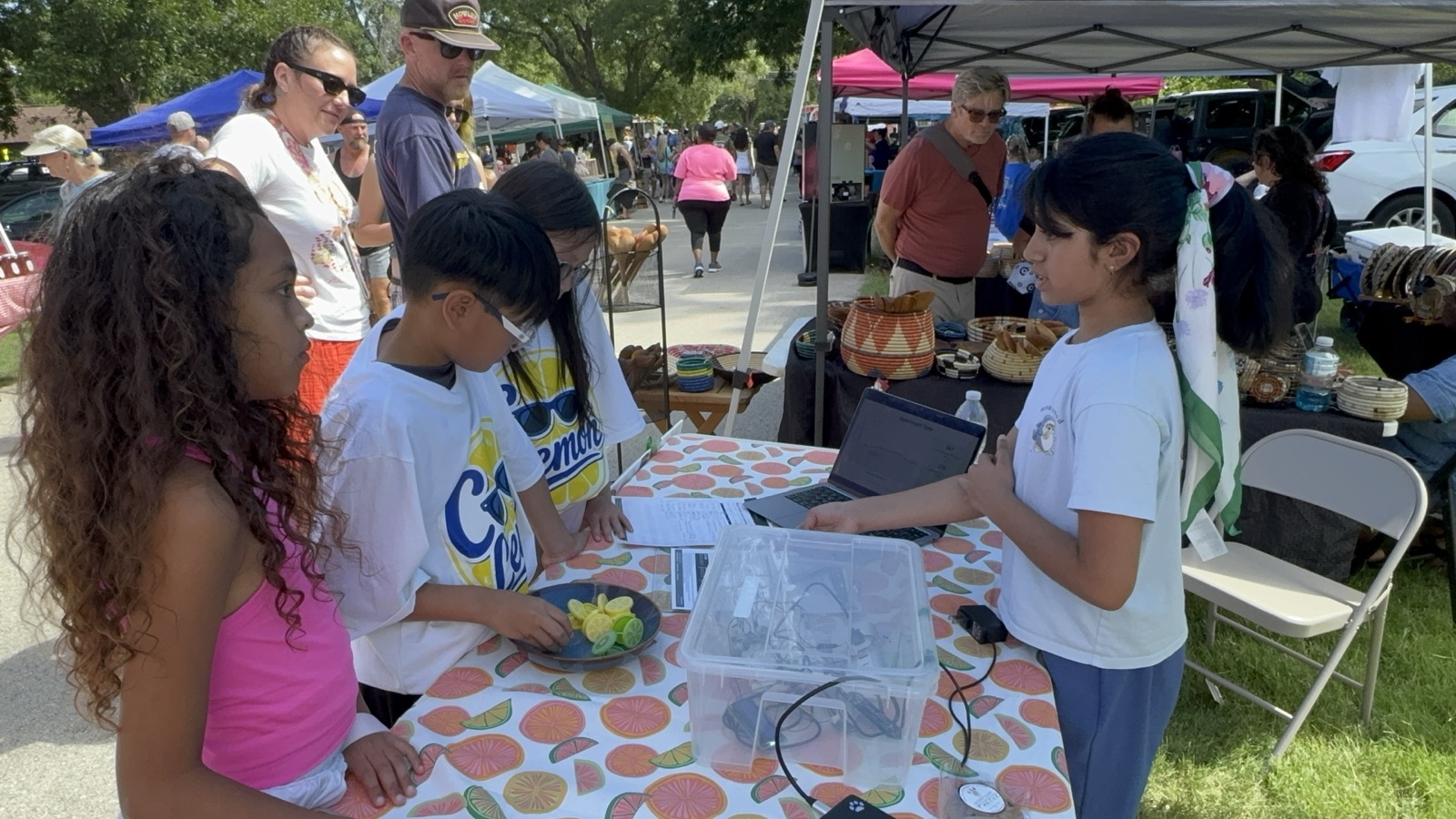
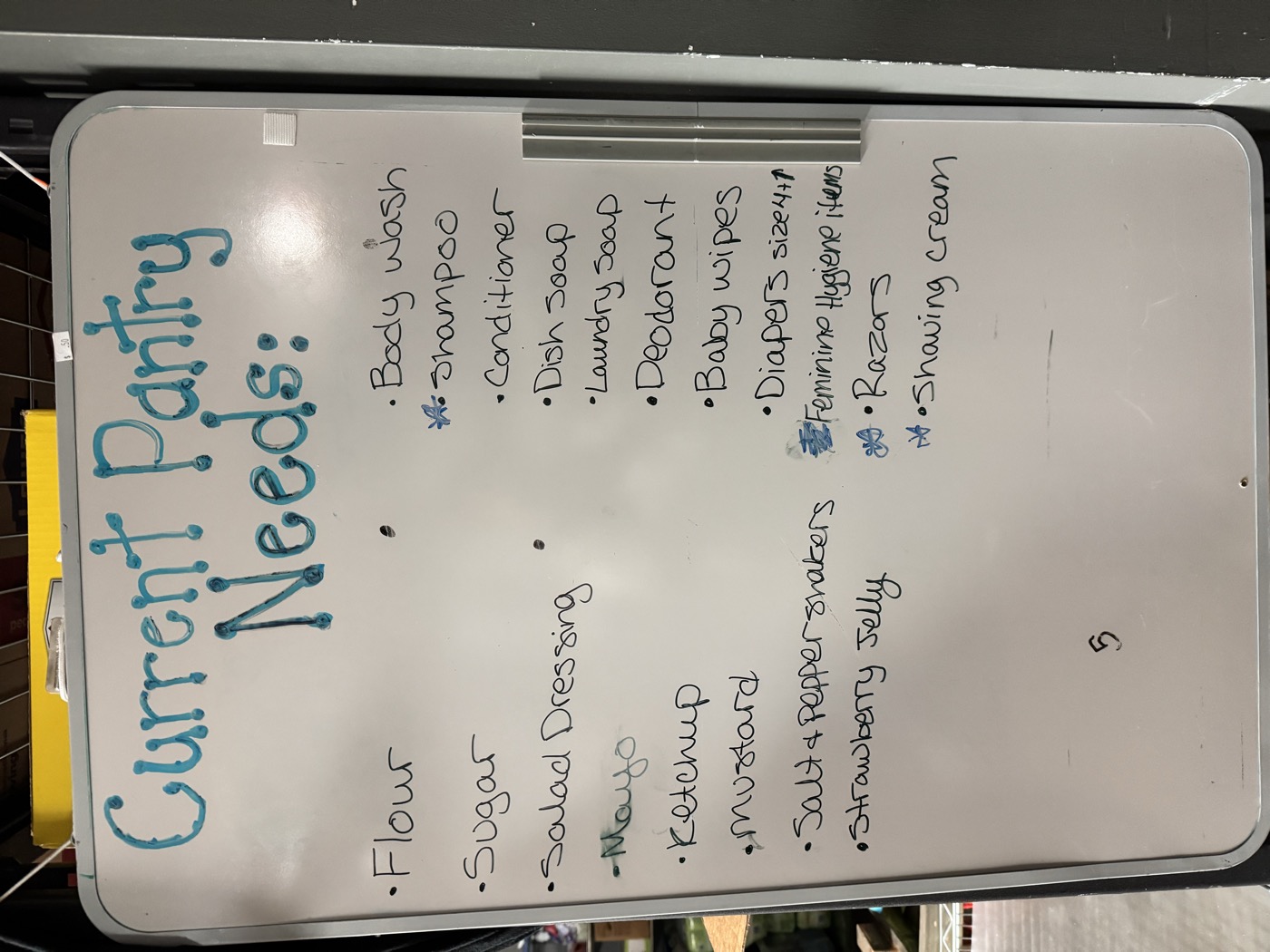
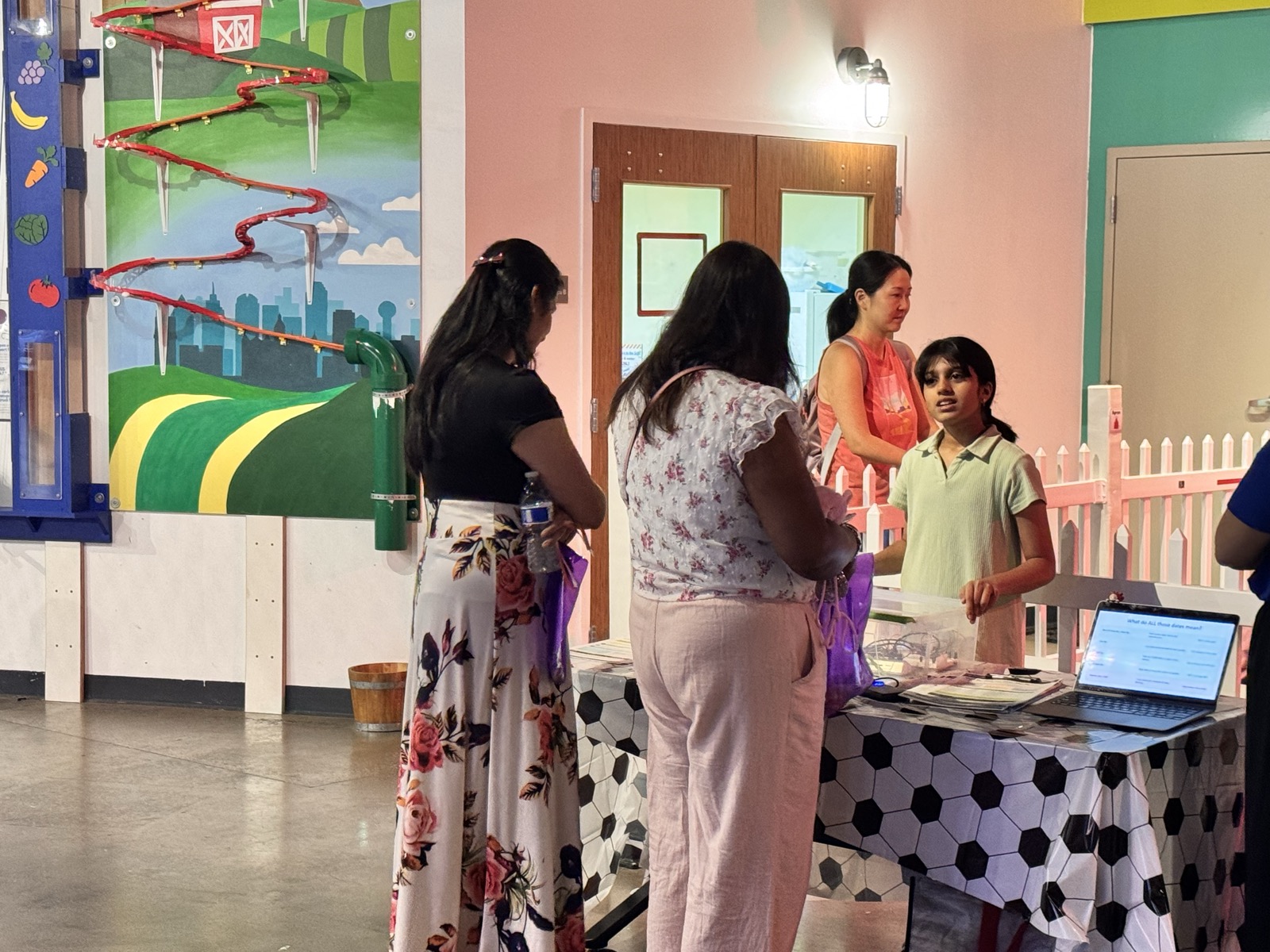
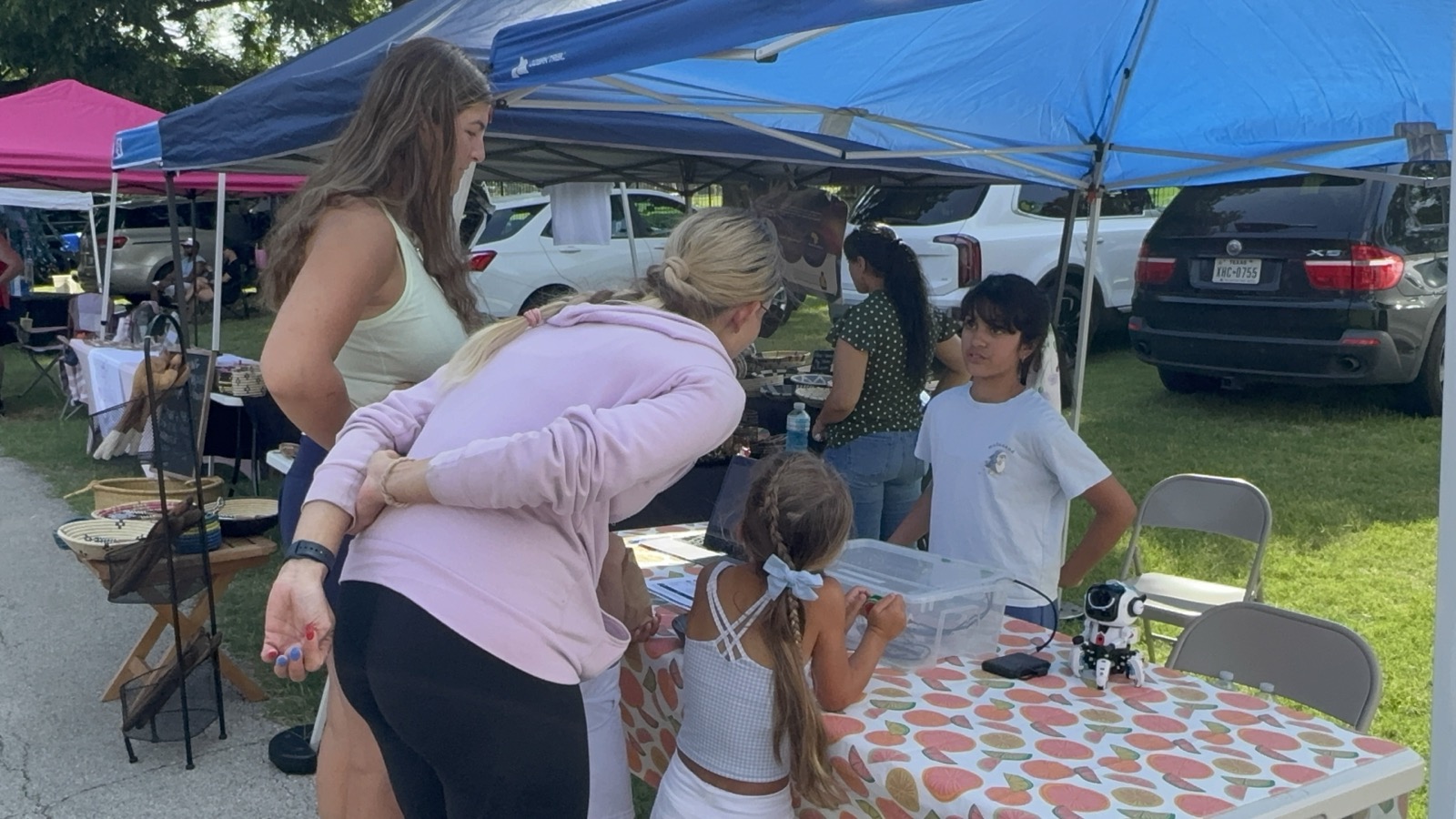
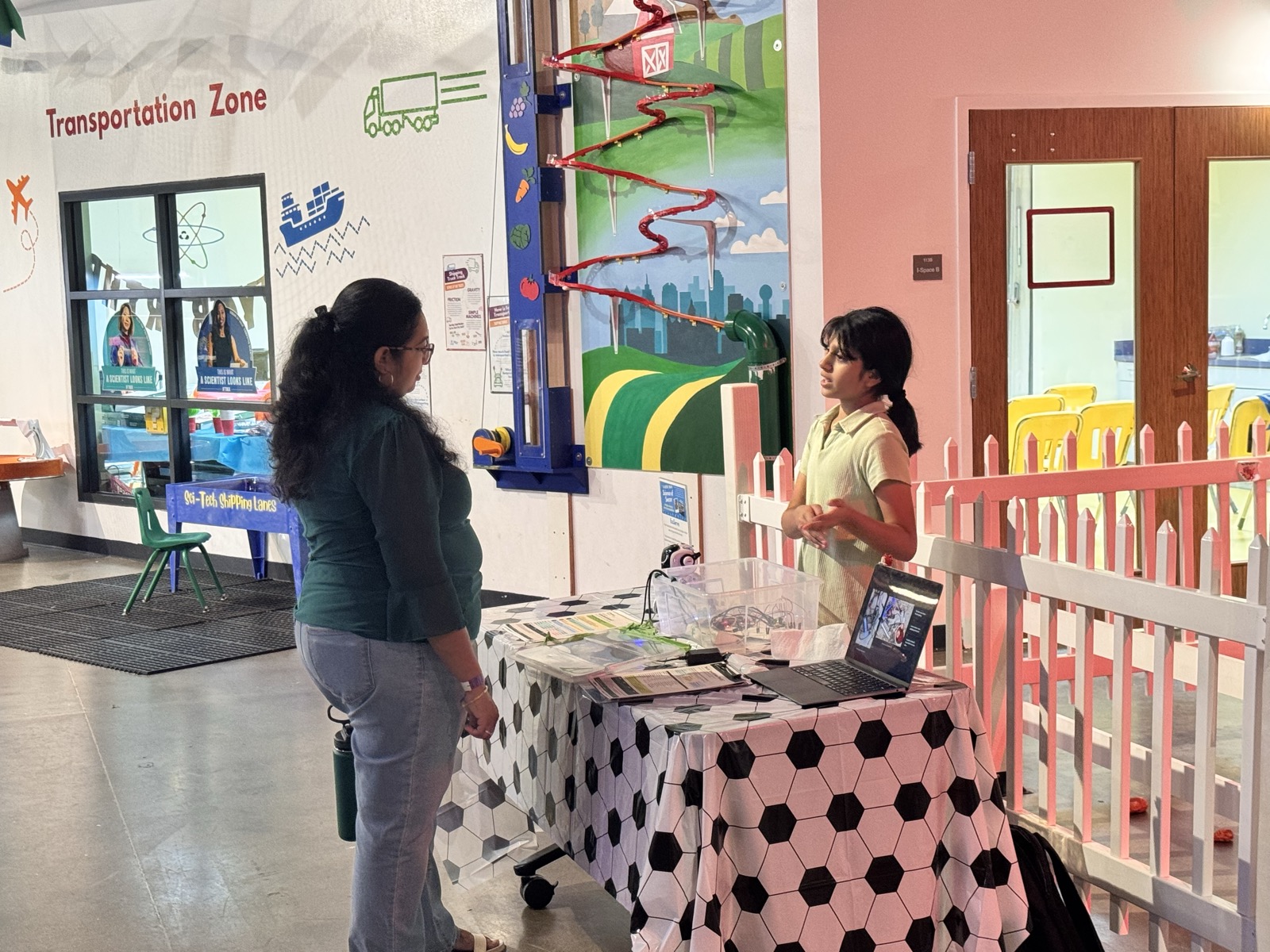
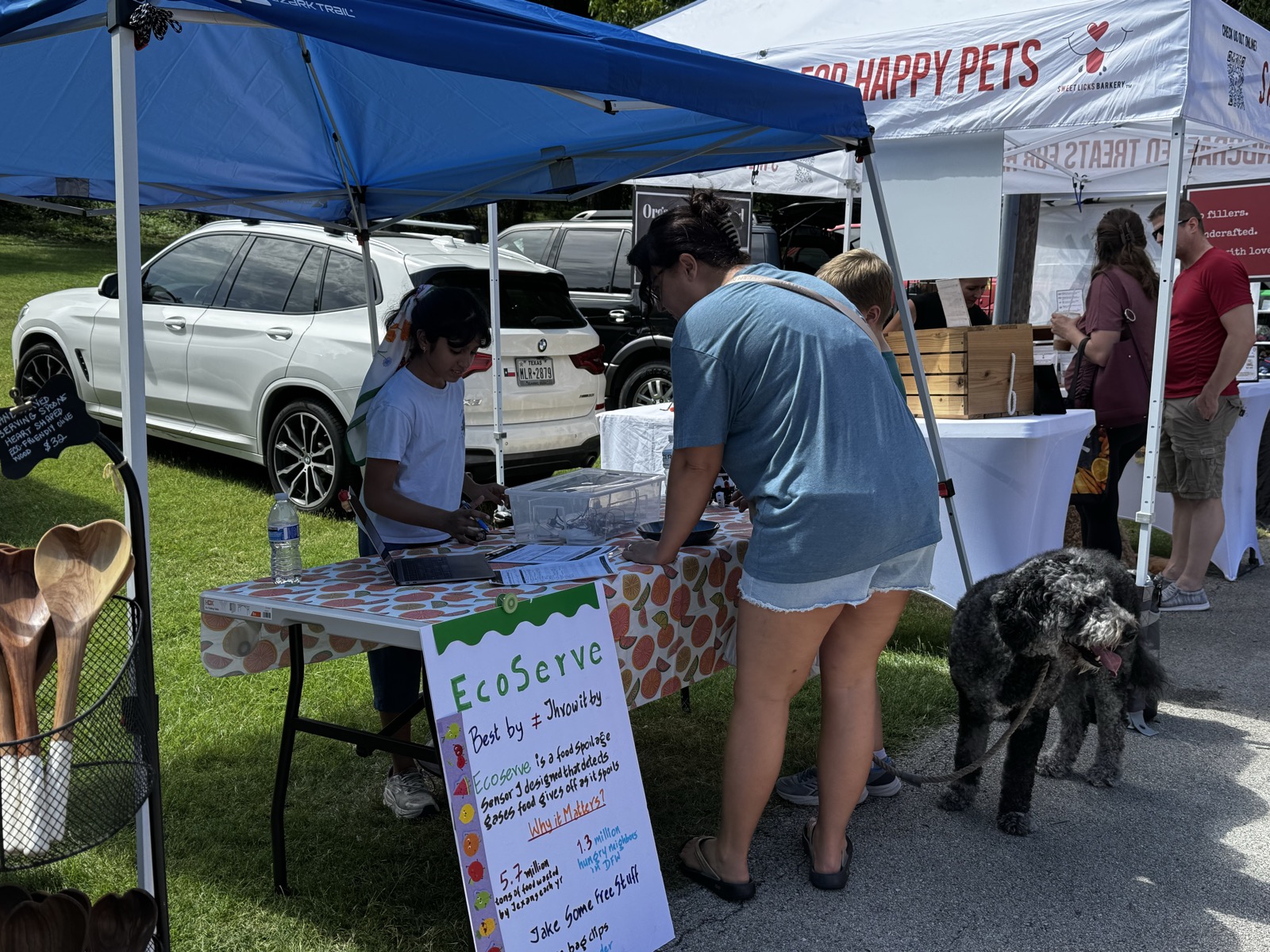
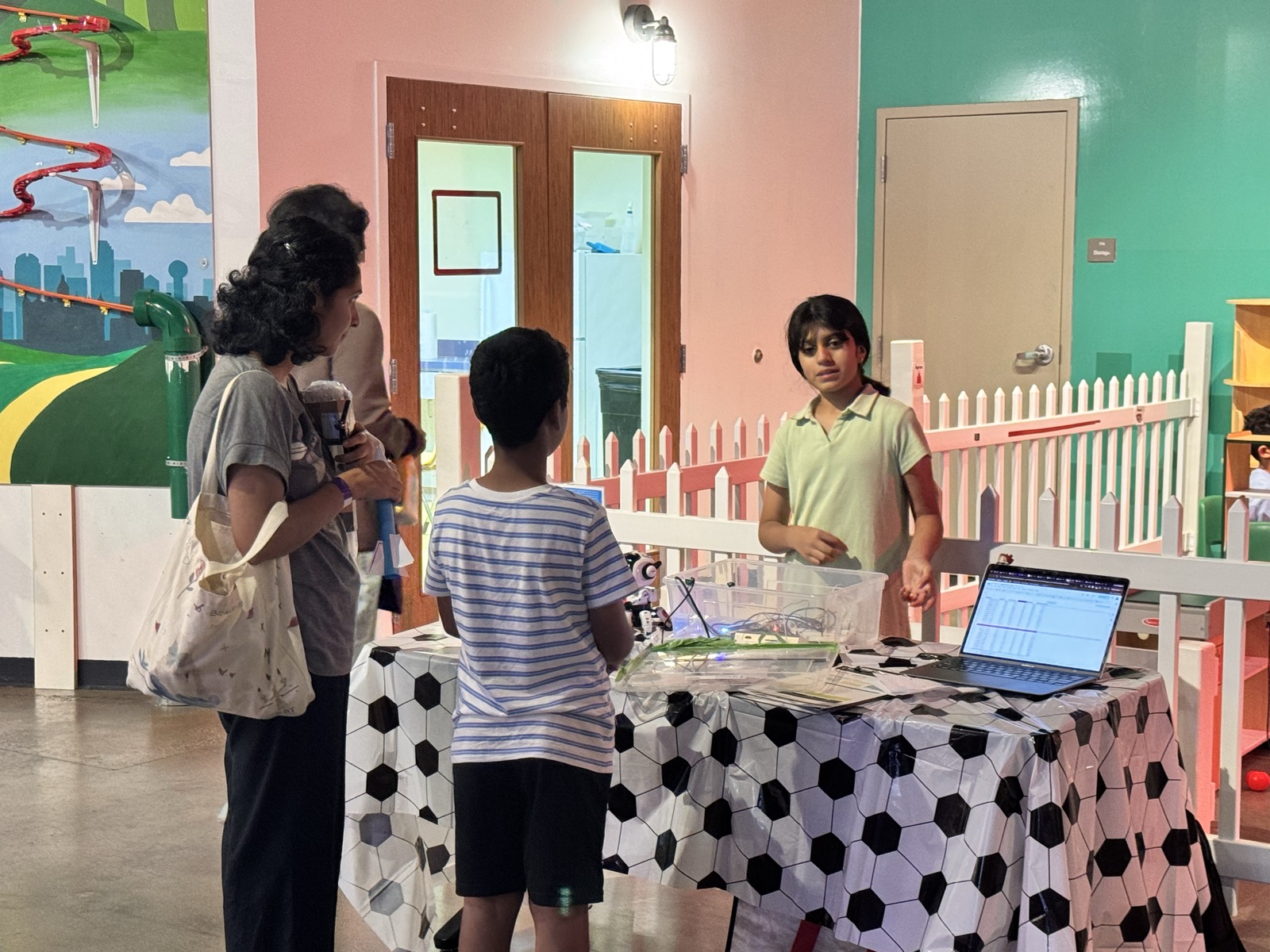
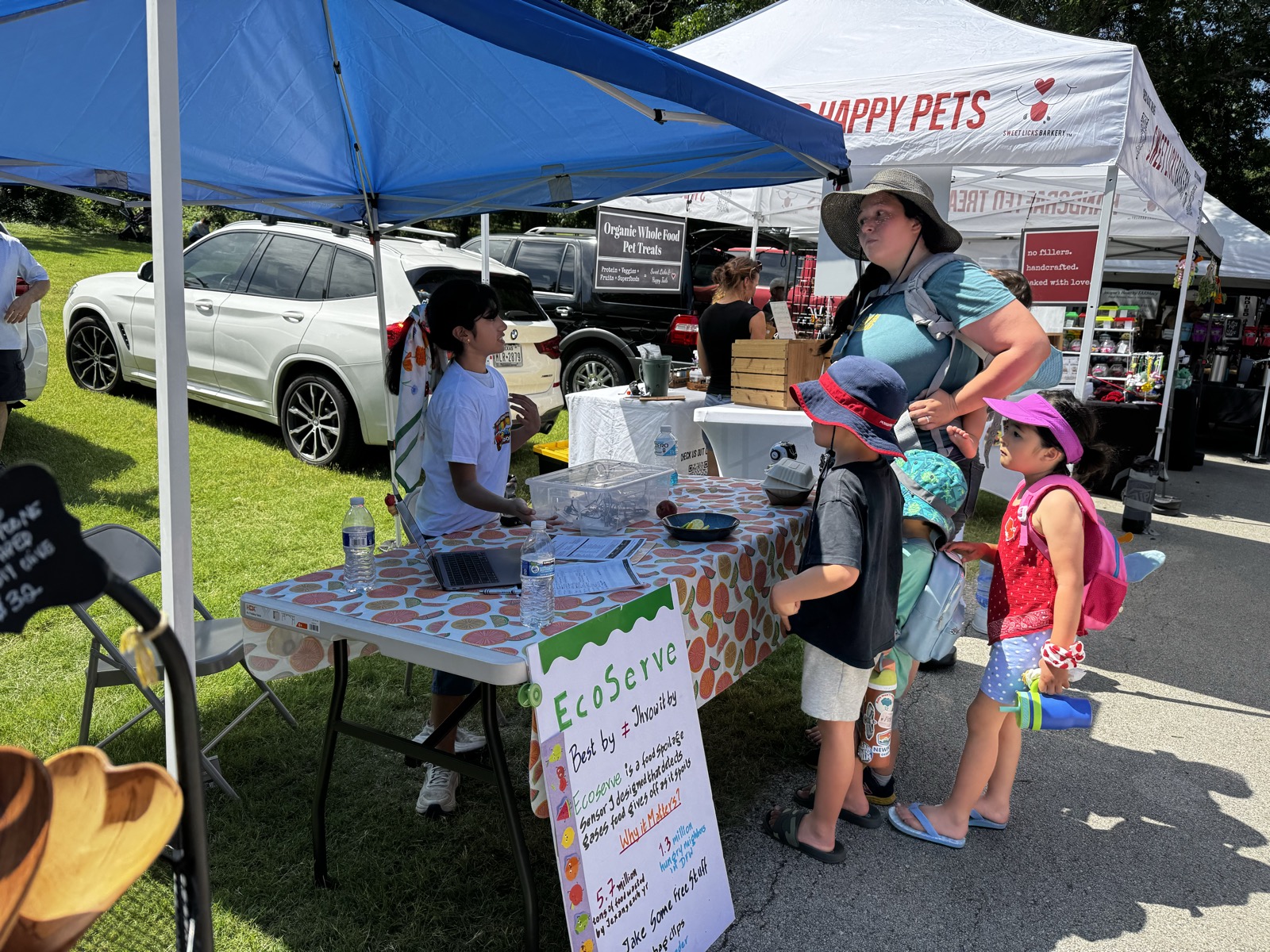
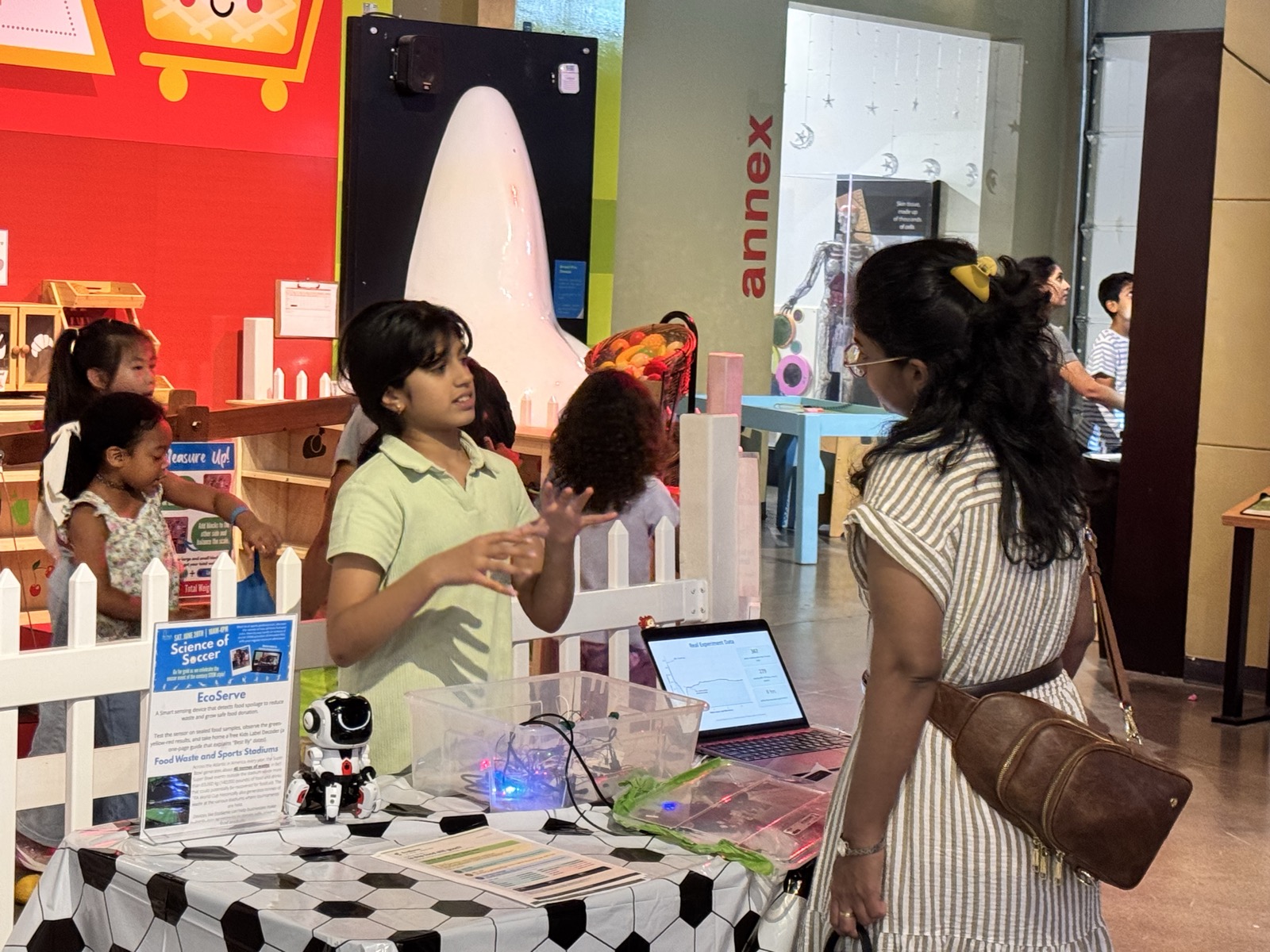
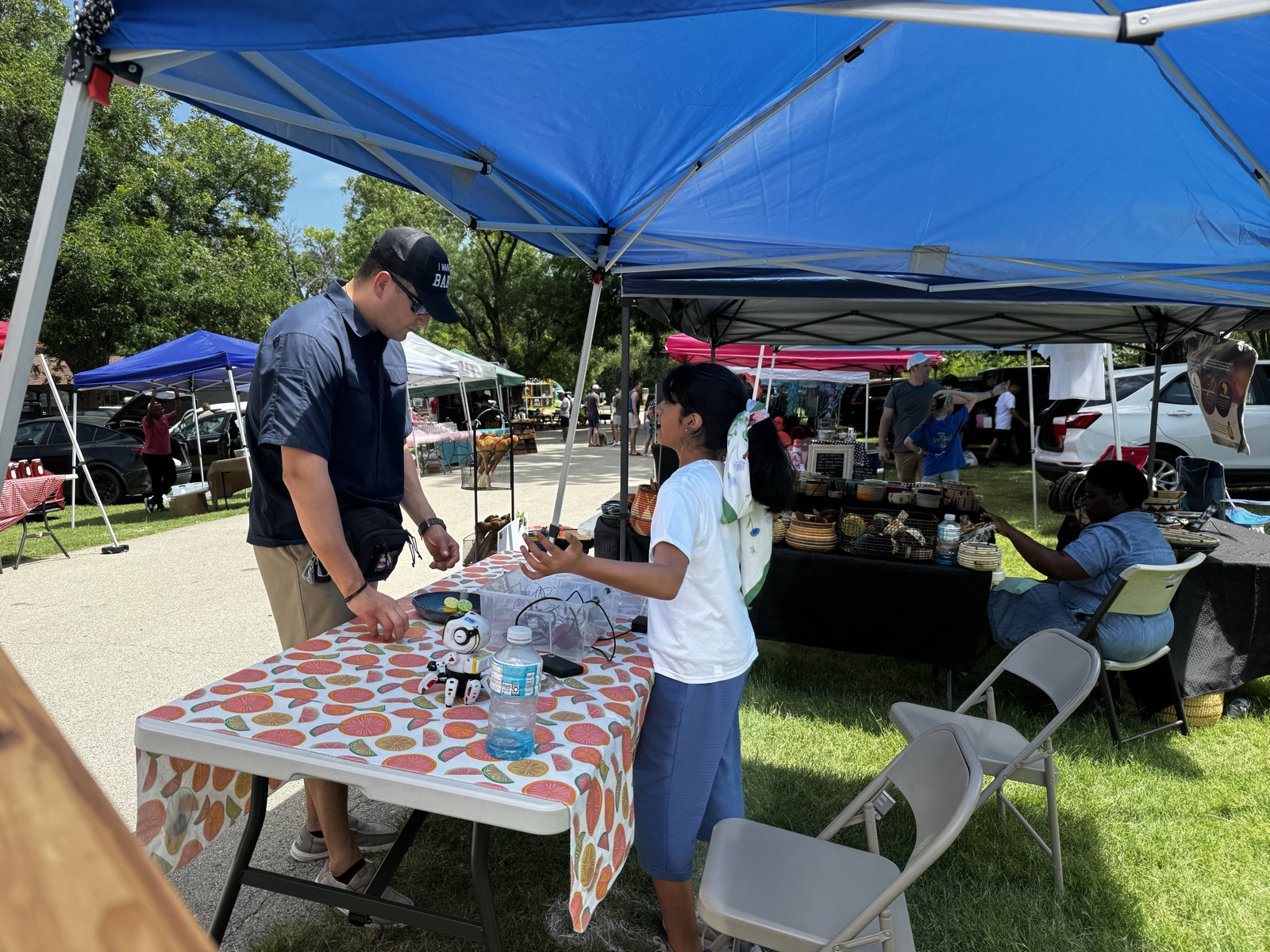
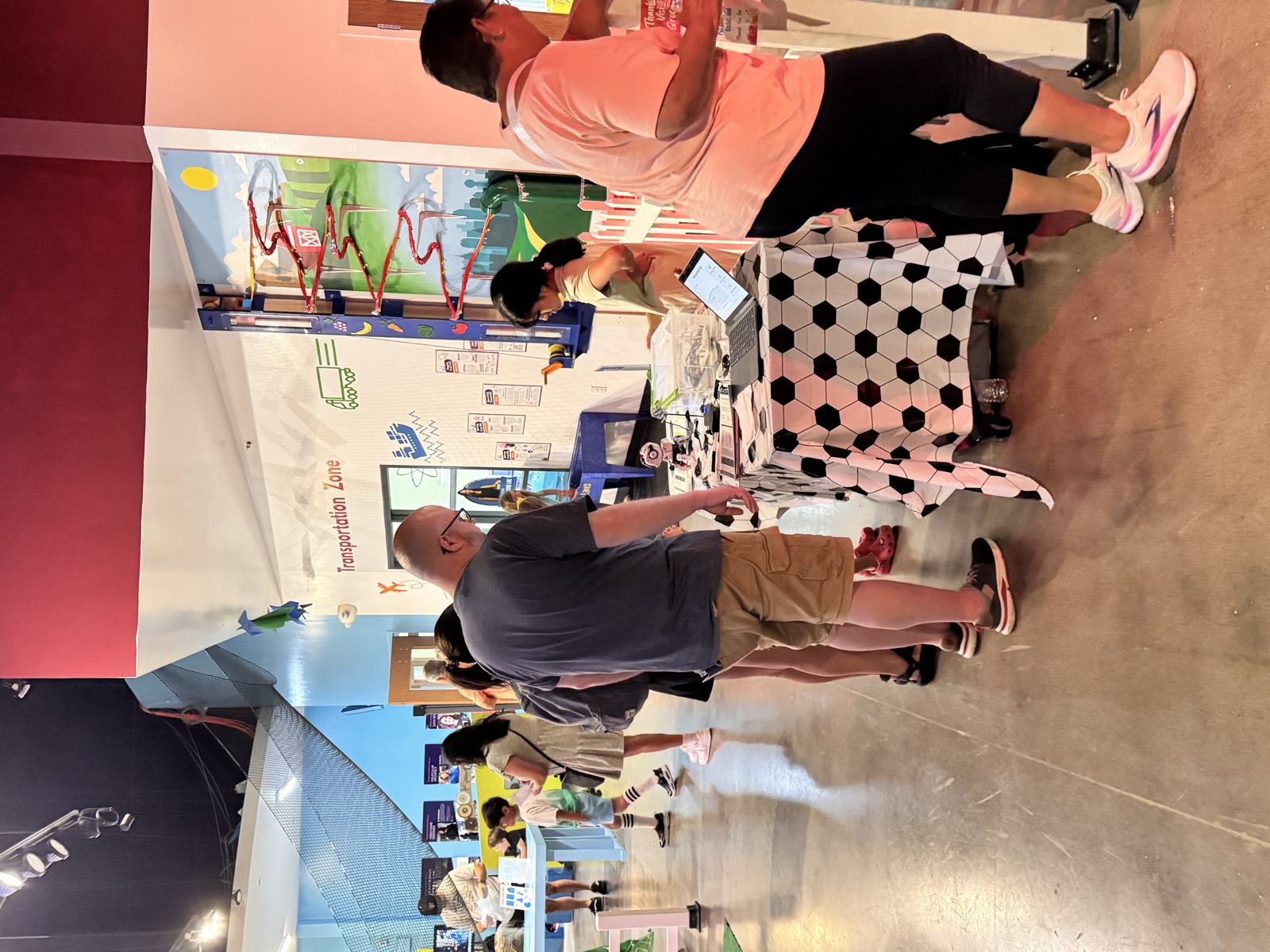
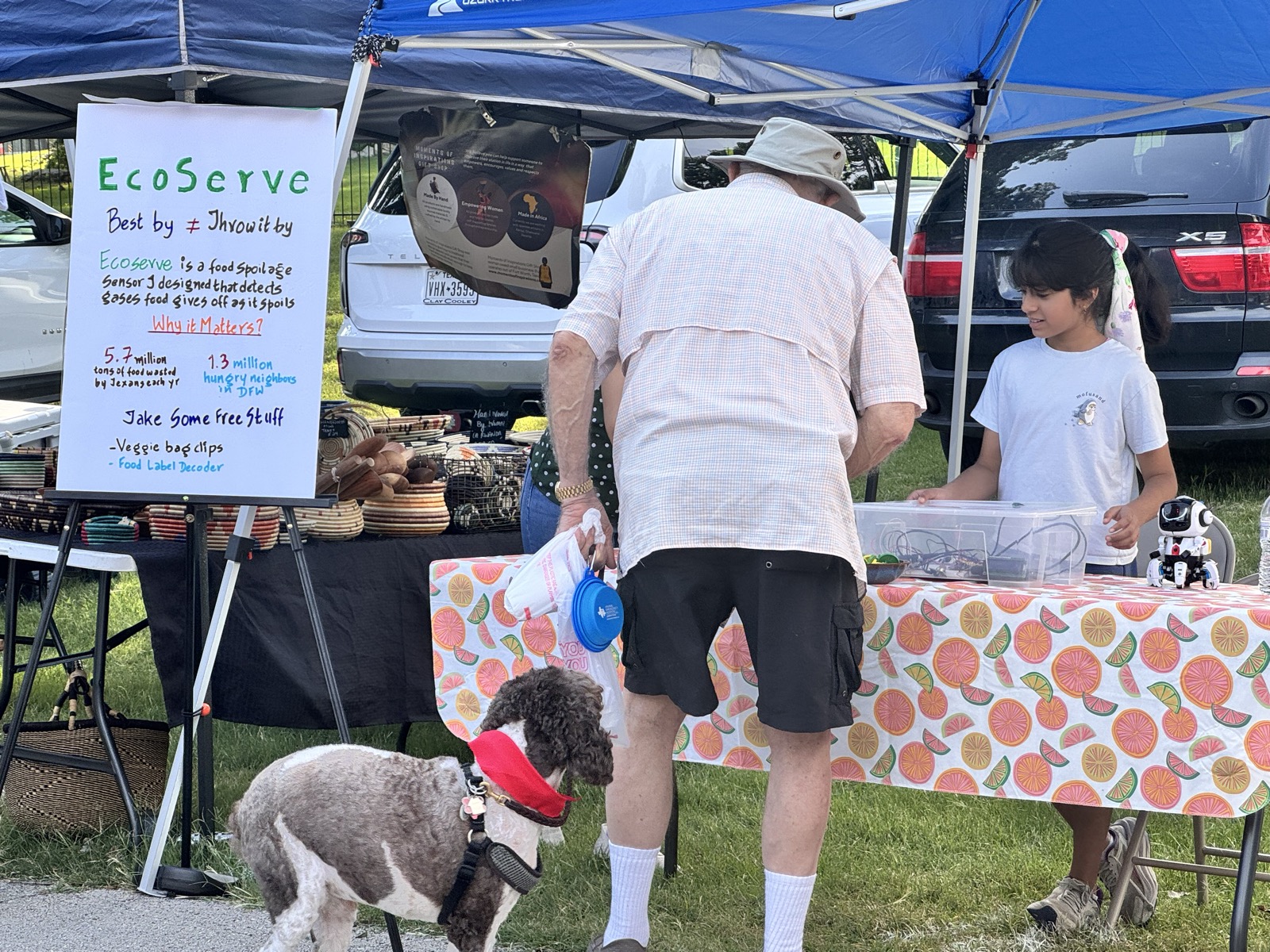
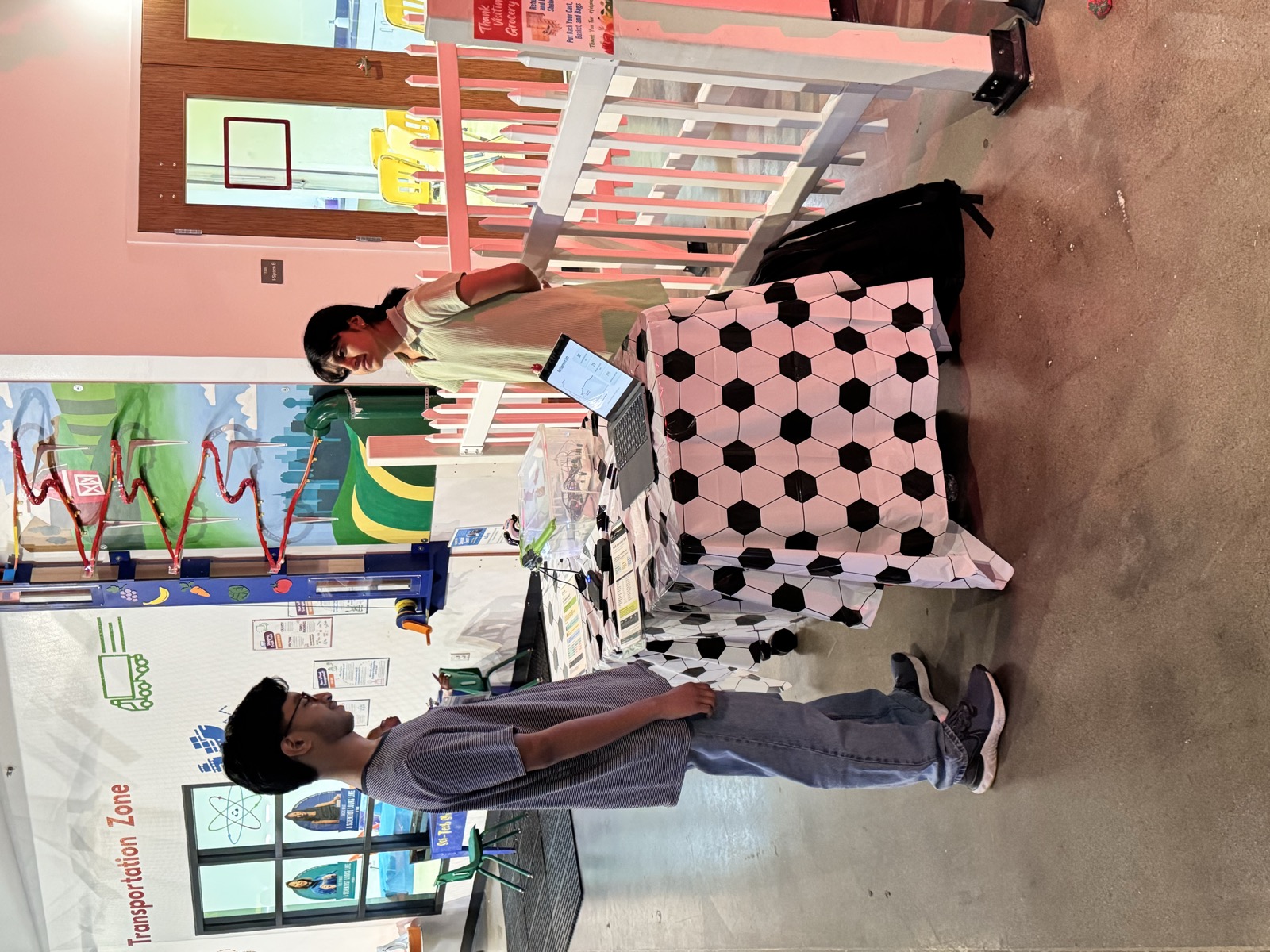
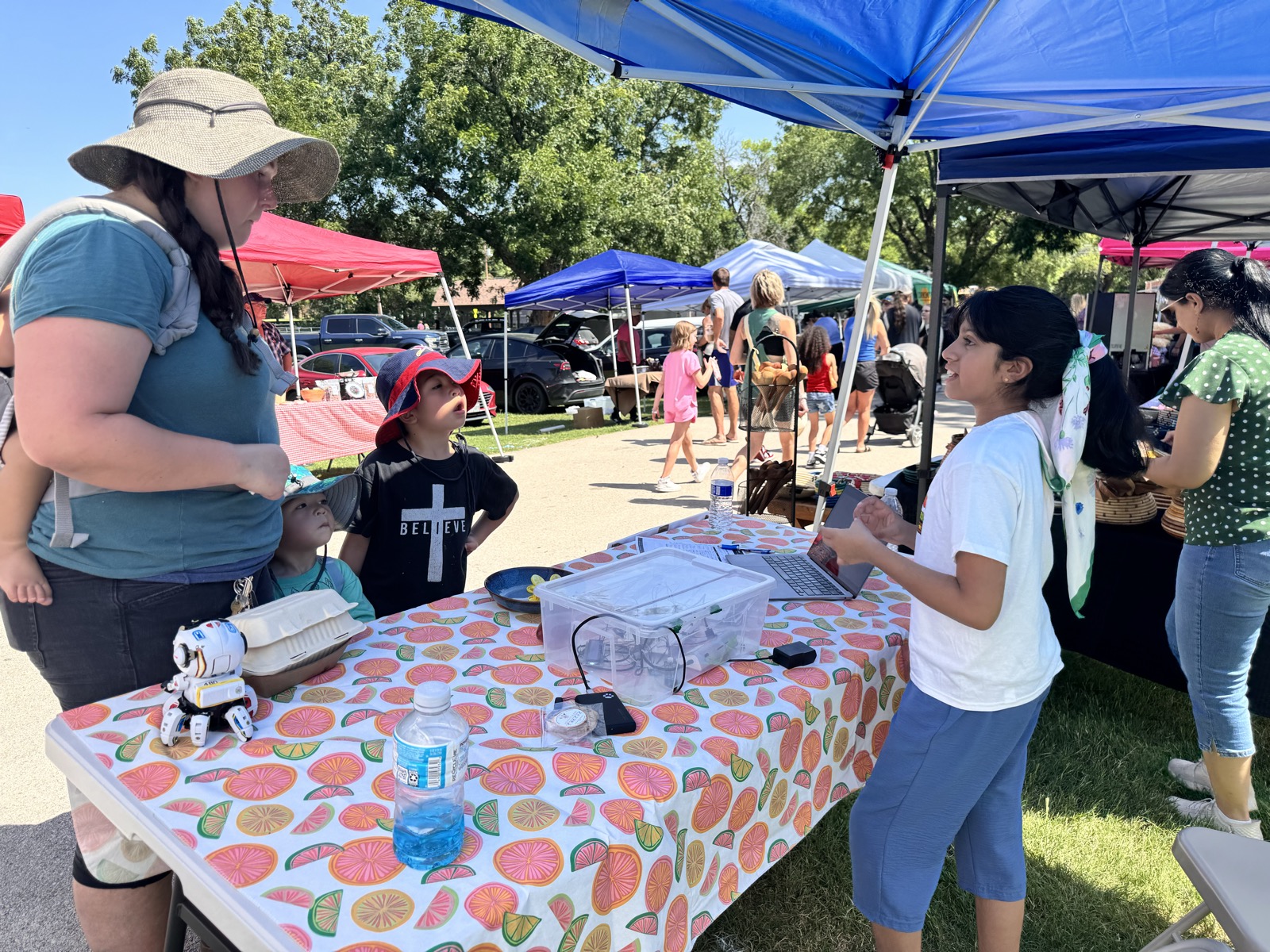
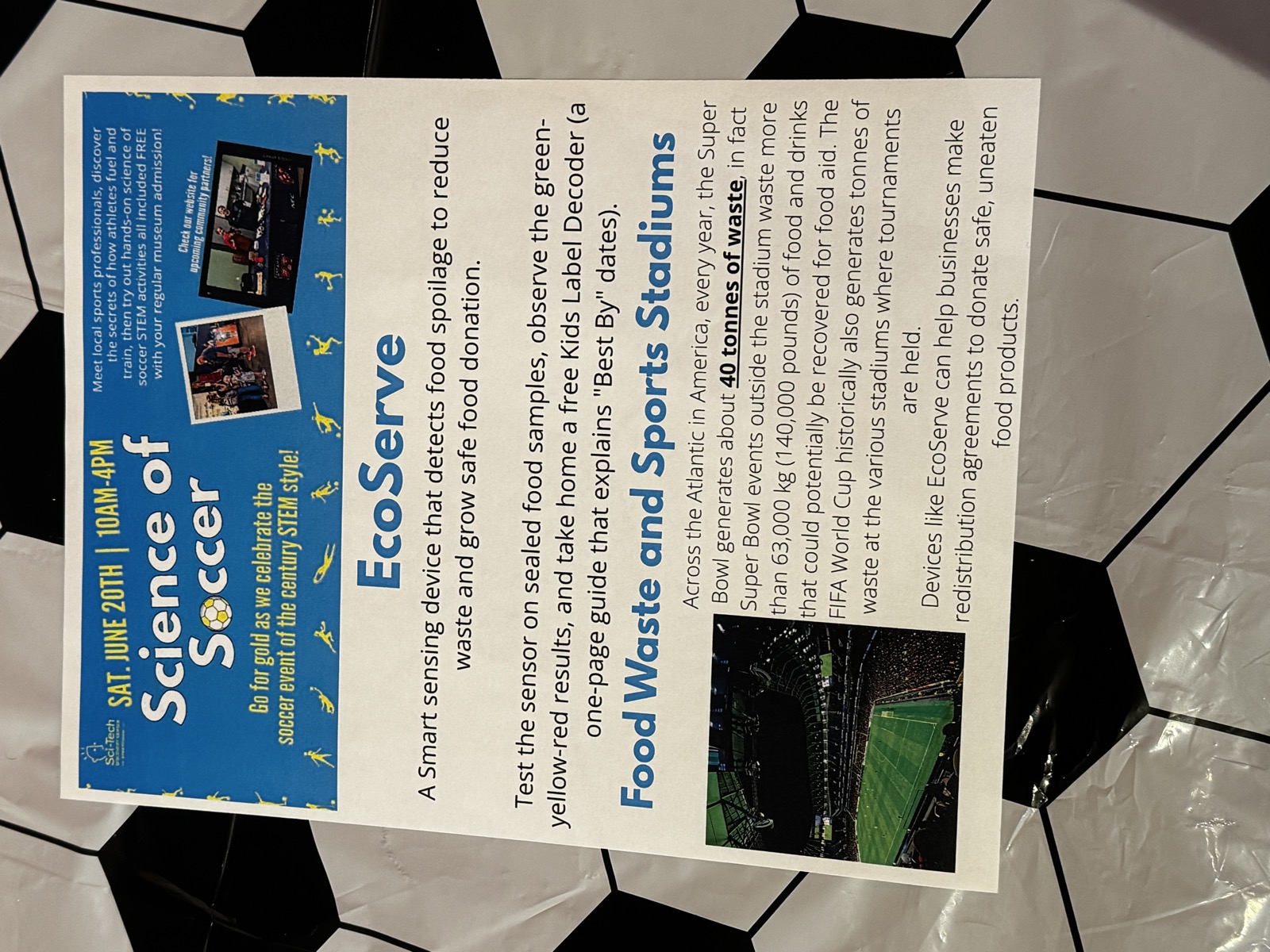
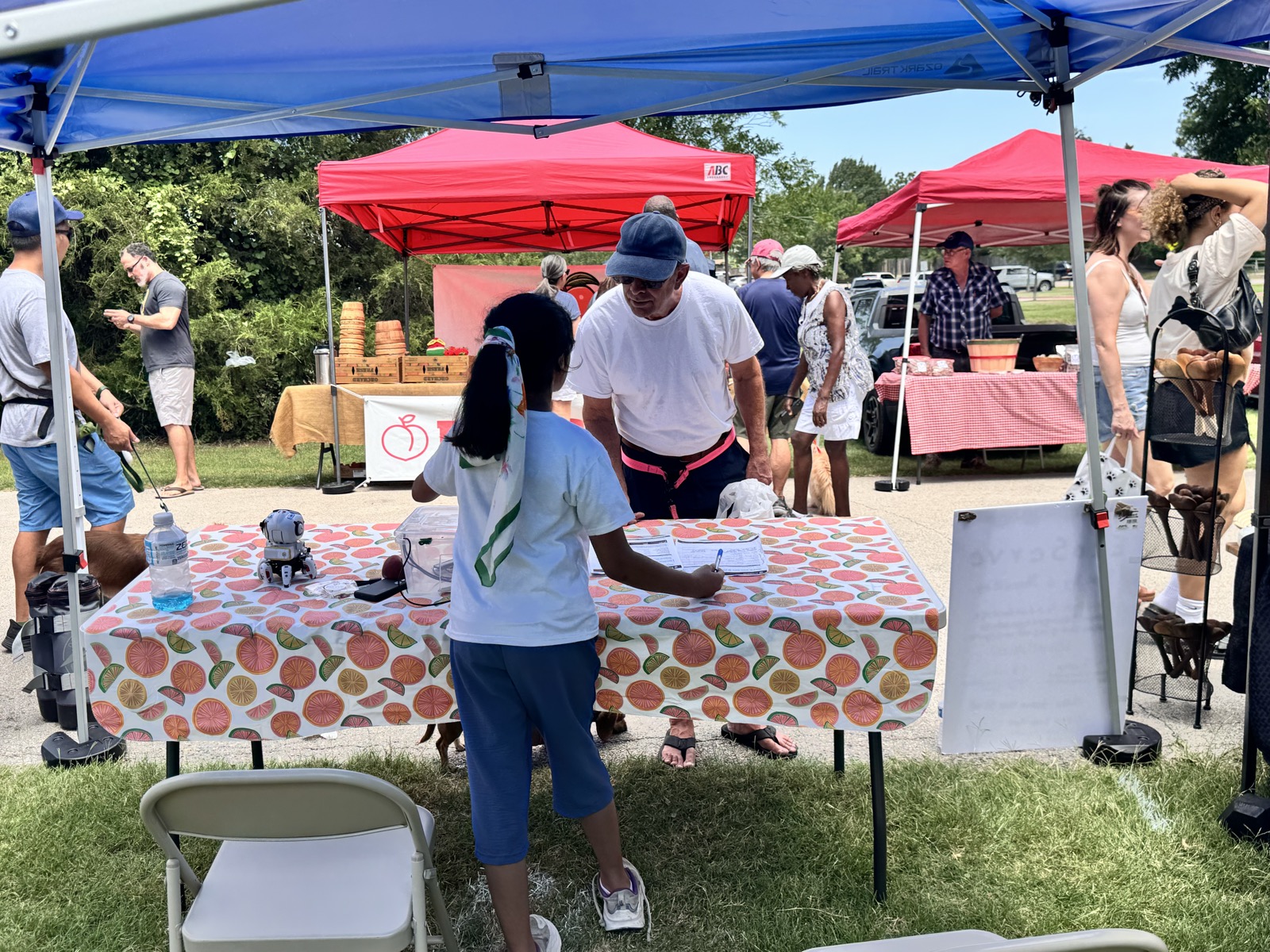
- 210+ Label Decoders placed in real hands
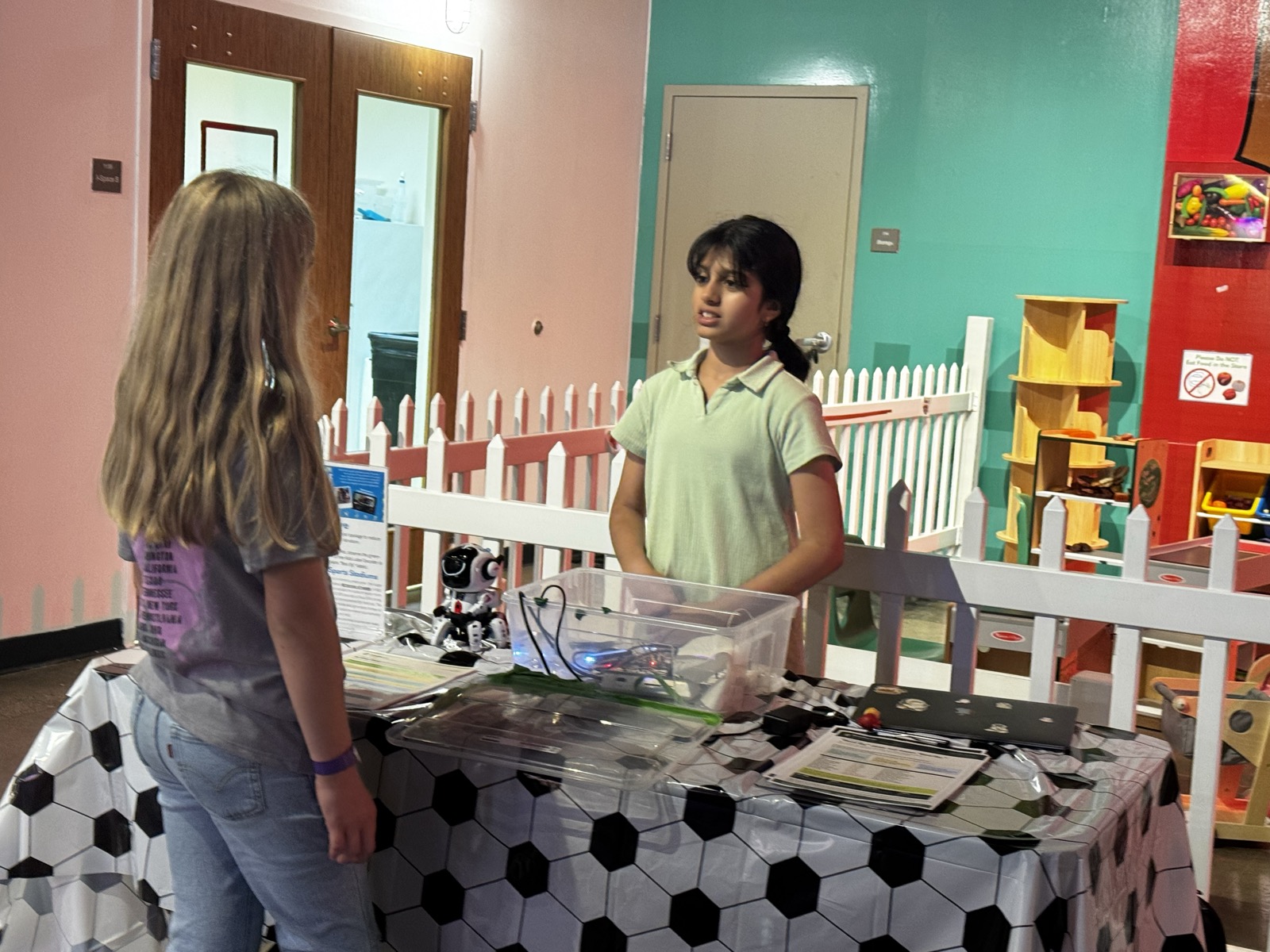
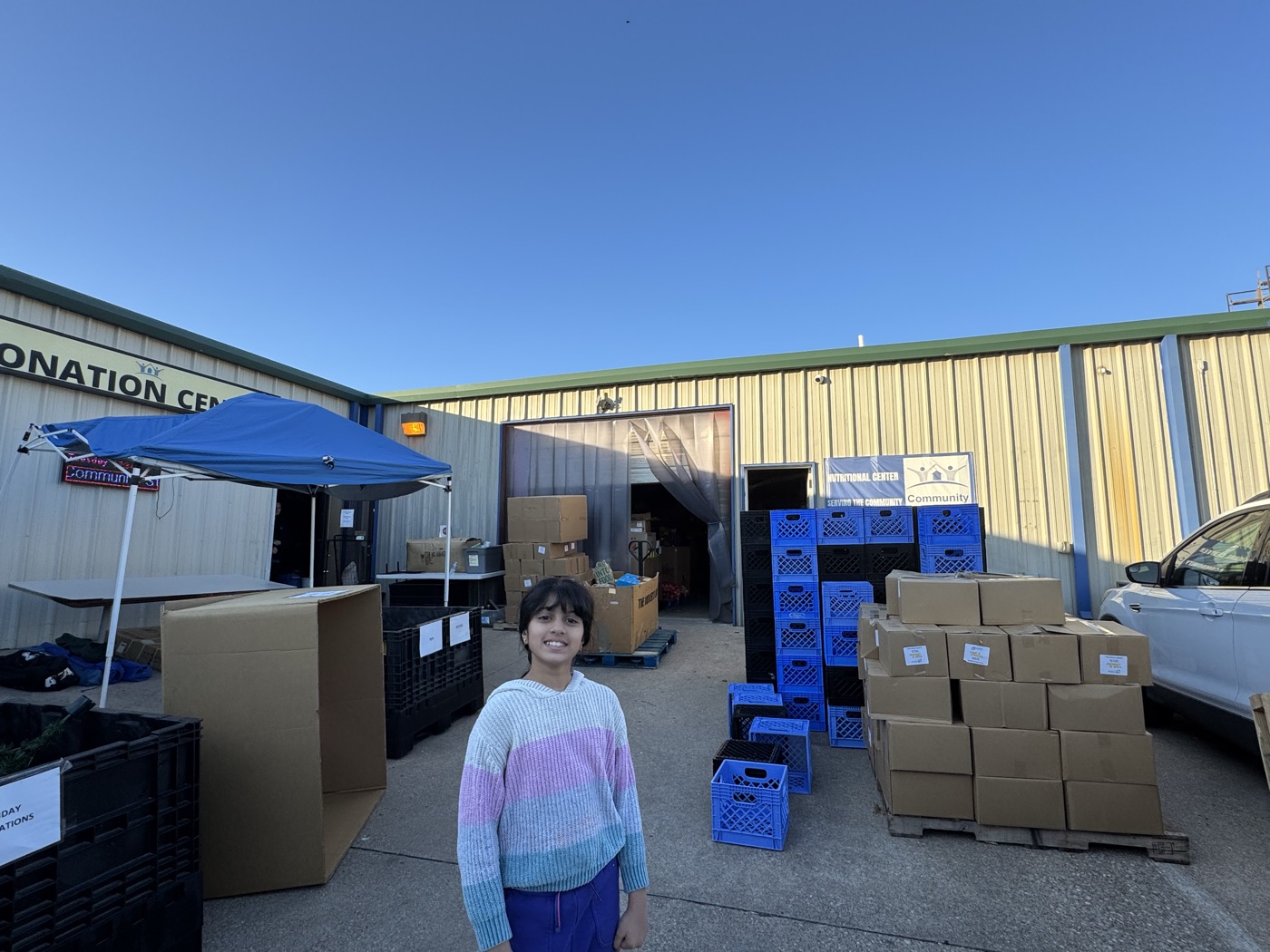
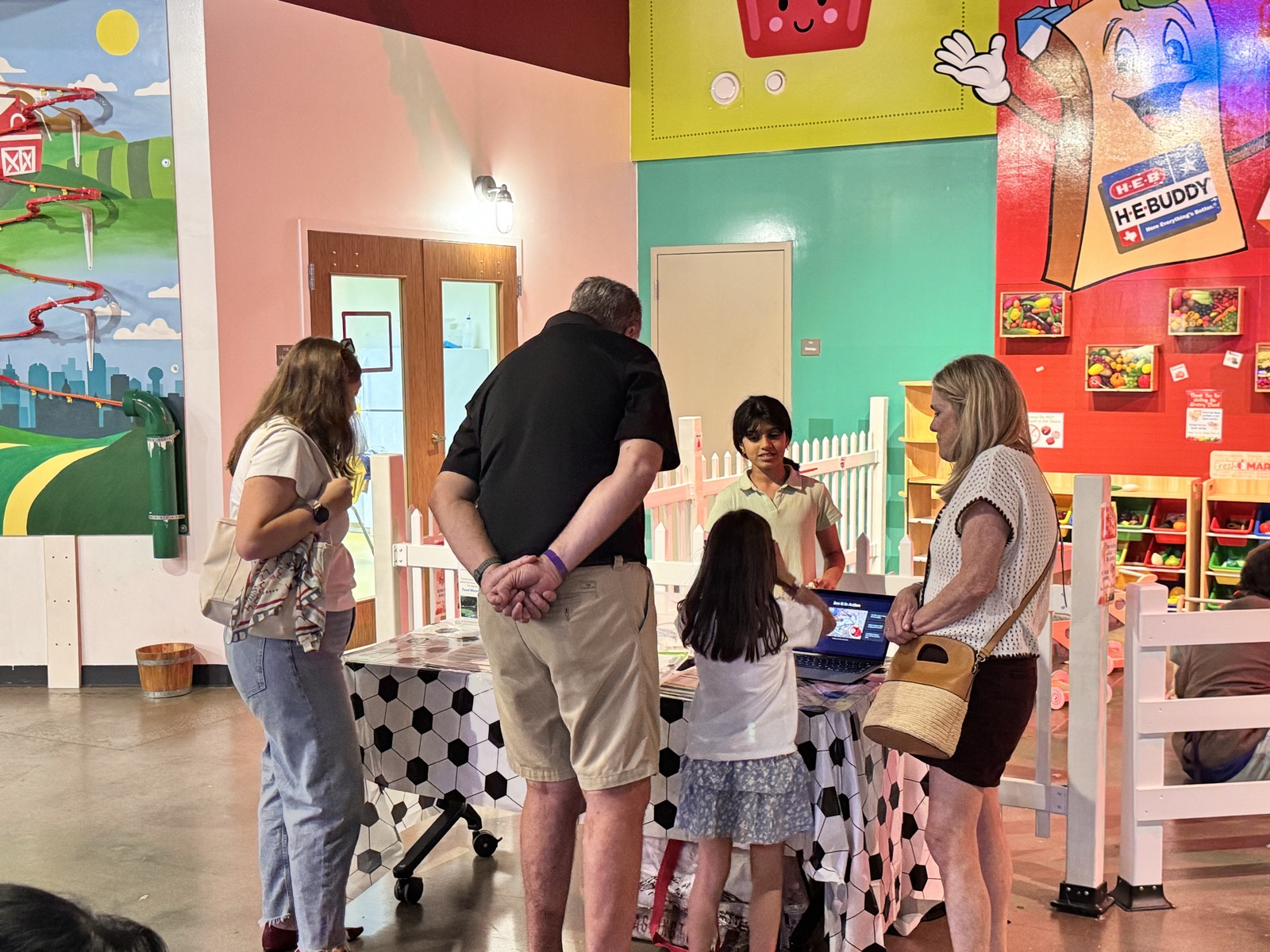
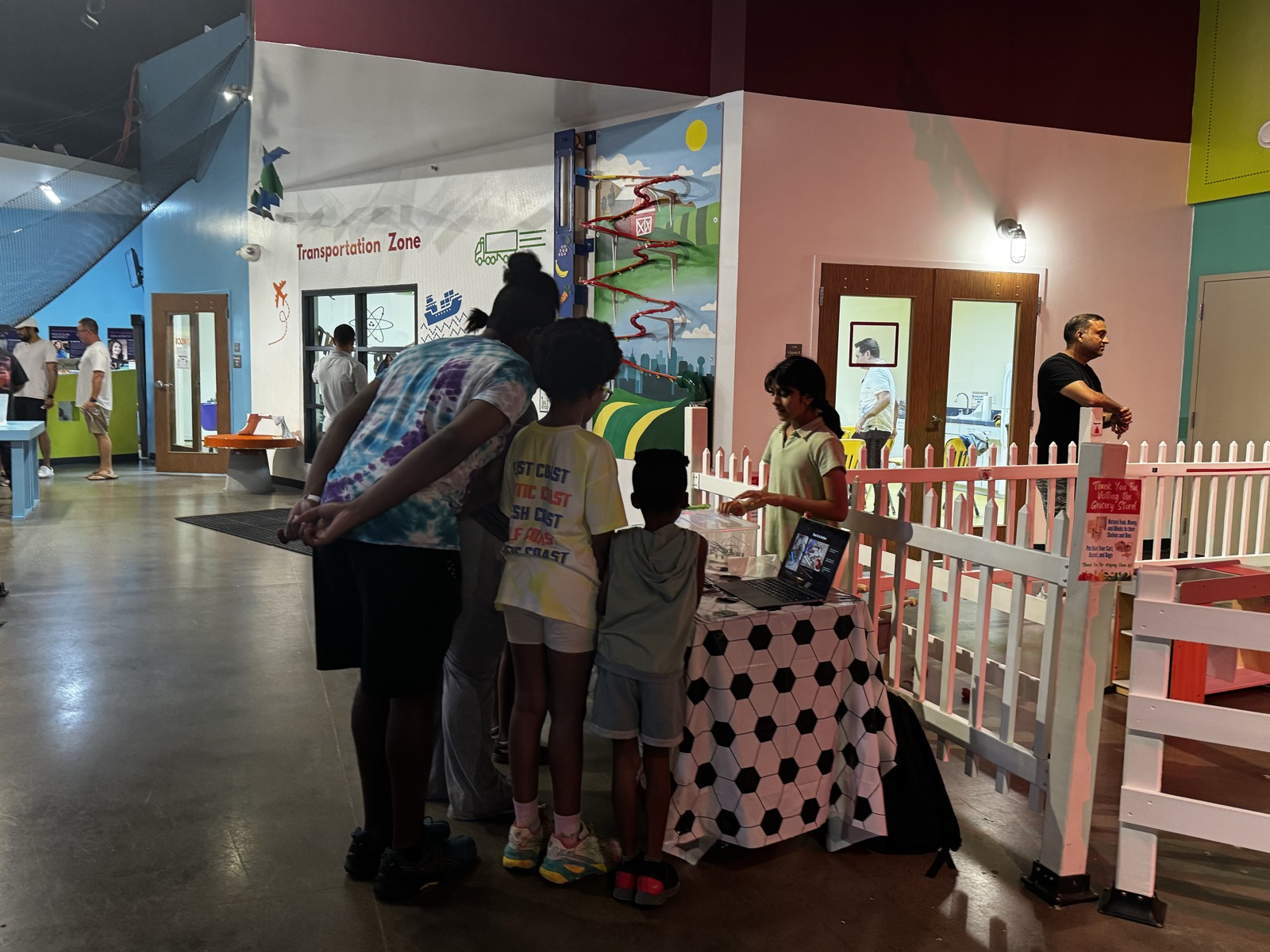
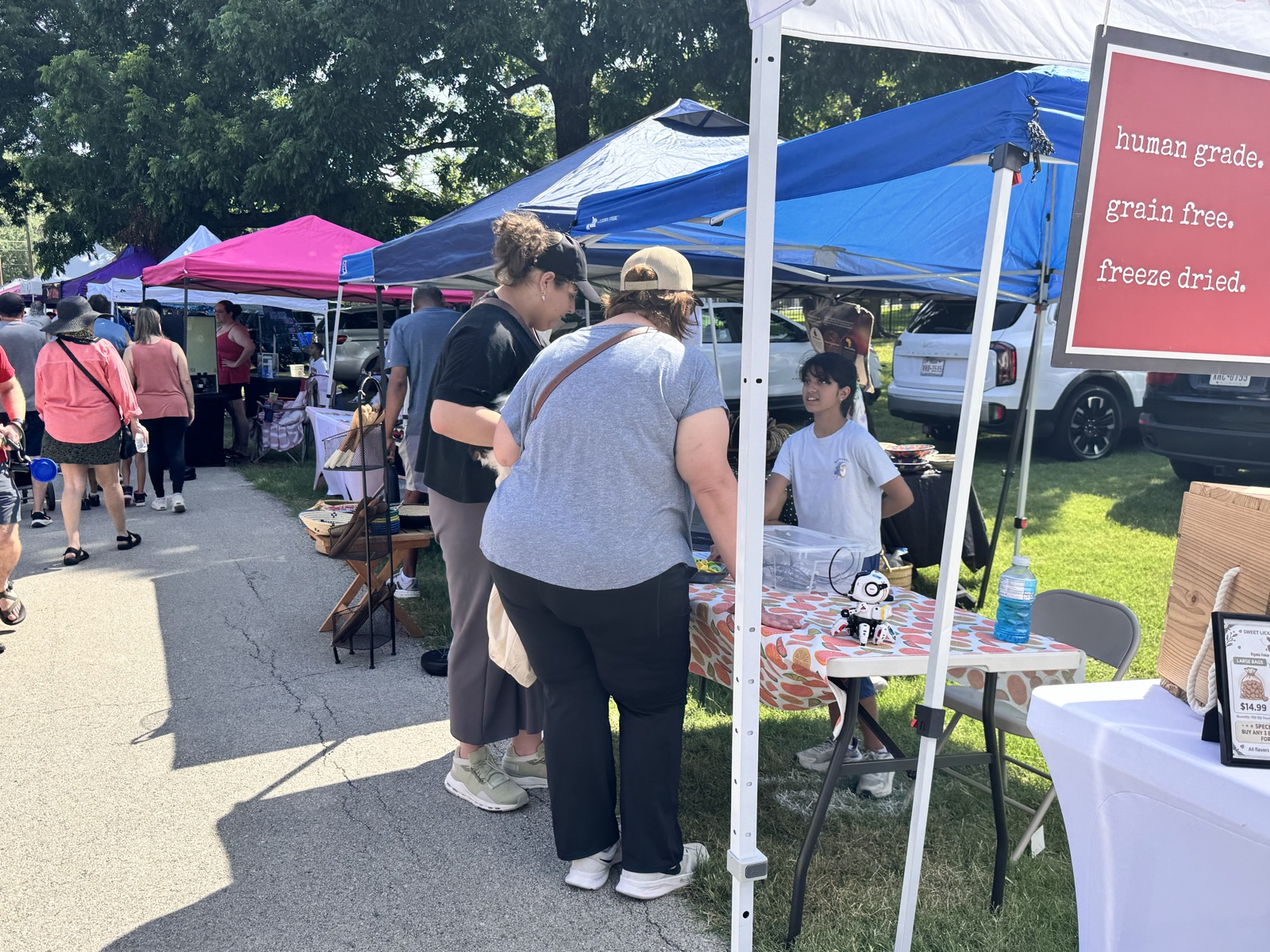
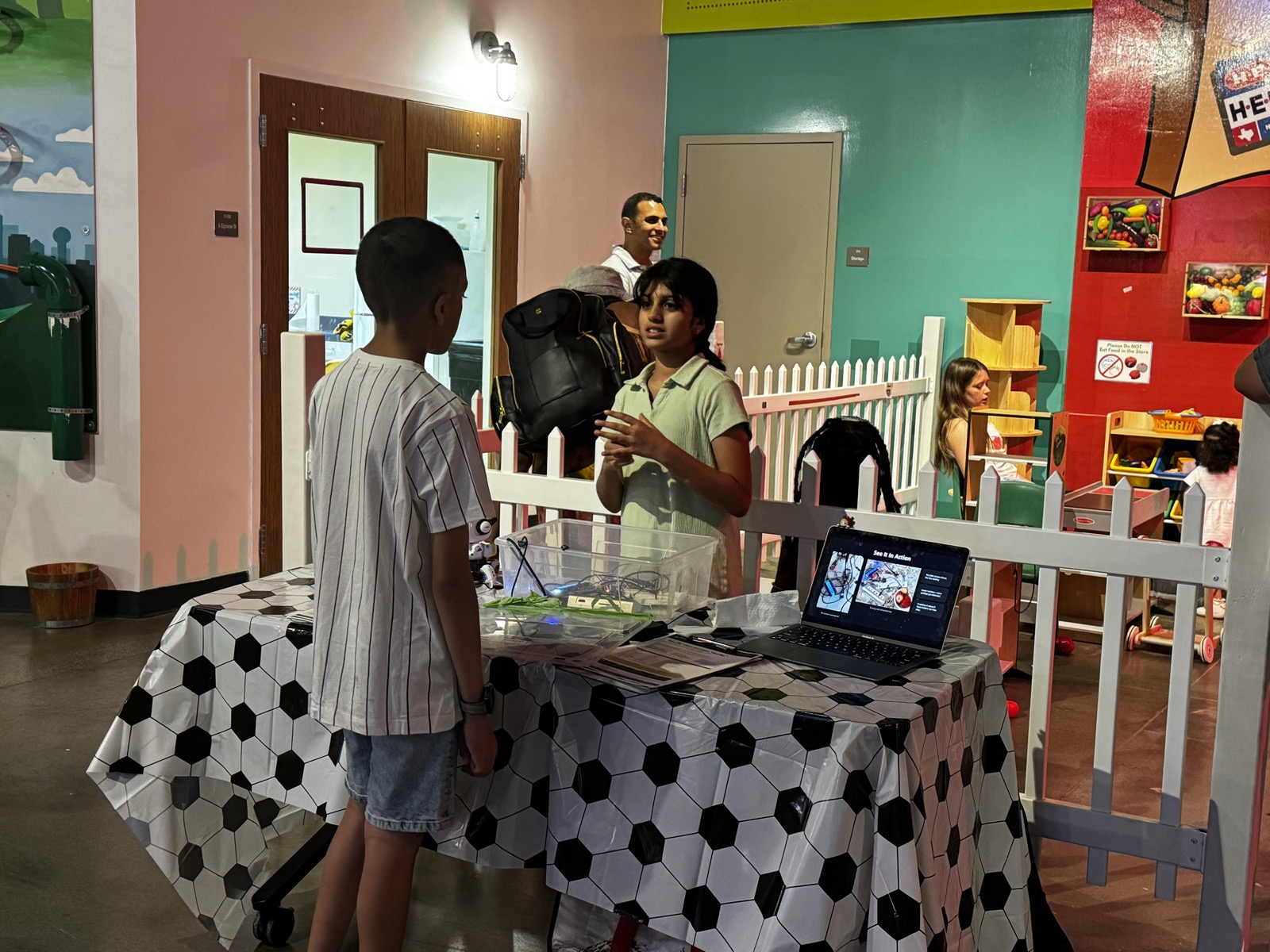
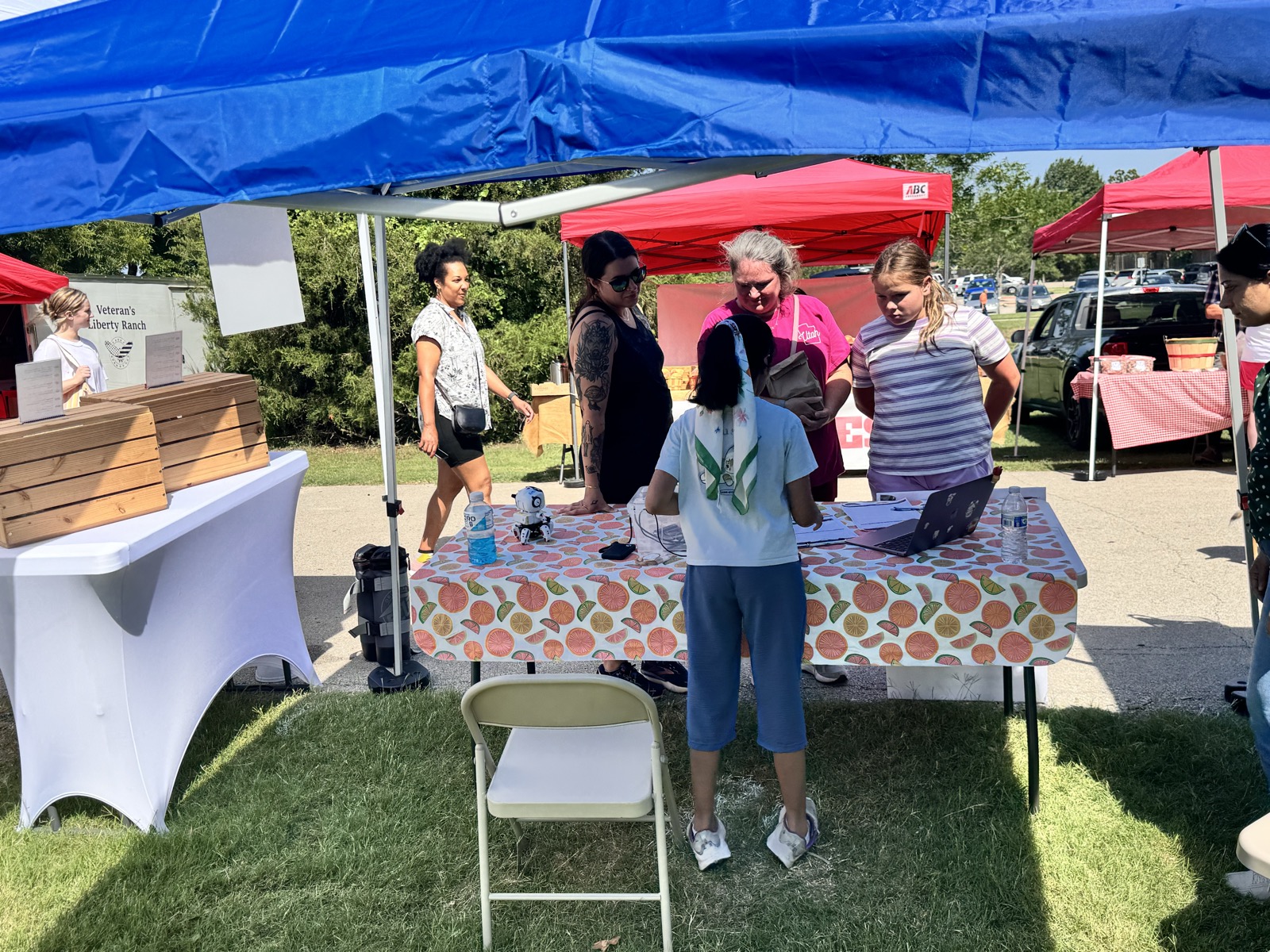
- 3 Events hosted so far
- 130+ People who heard the talk in person
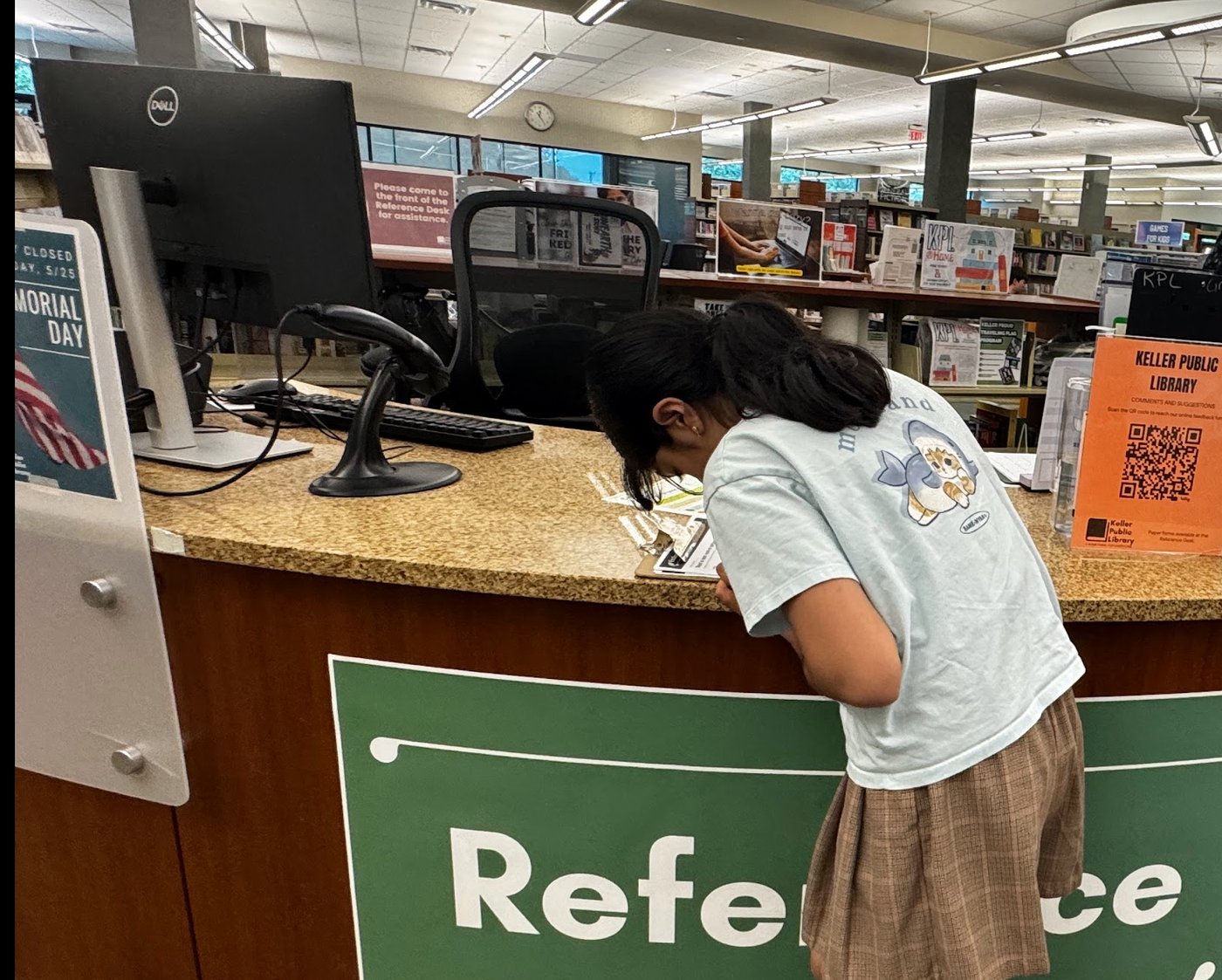
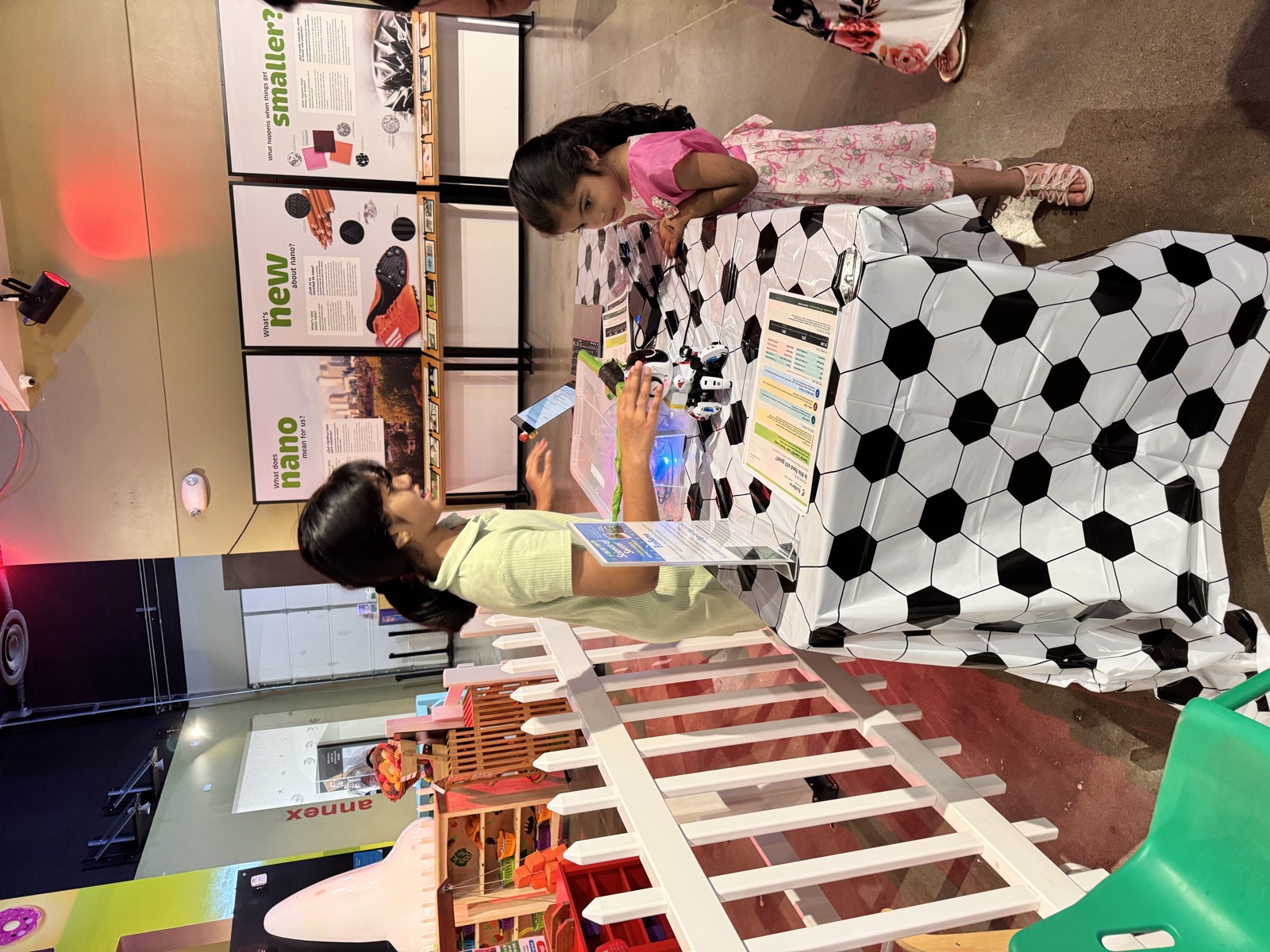
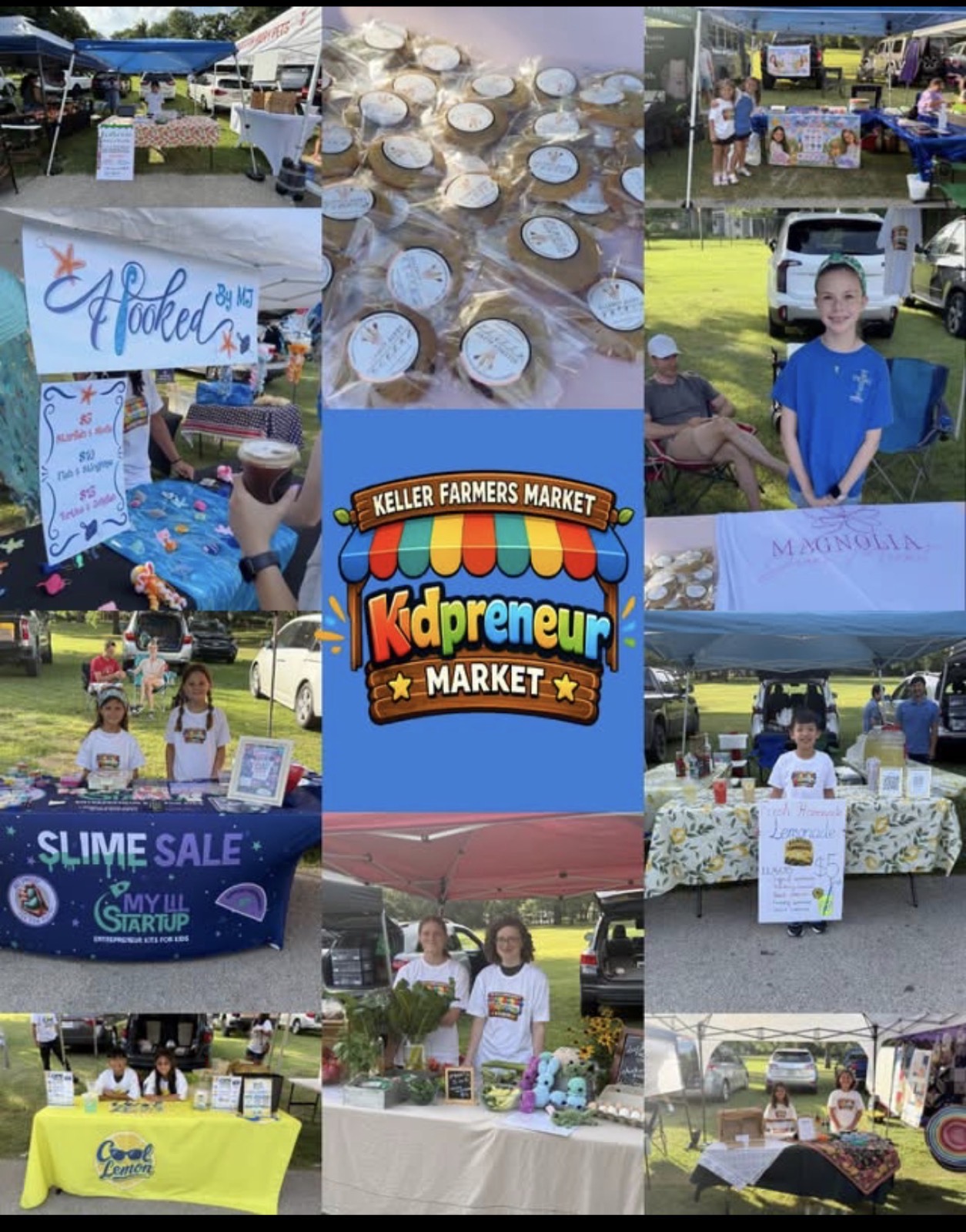
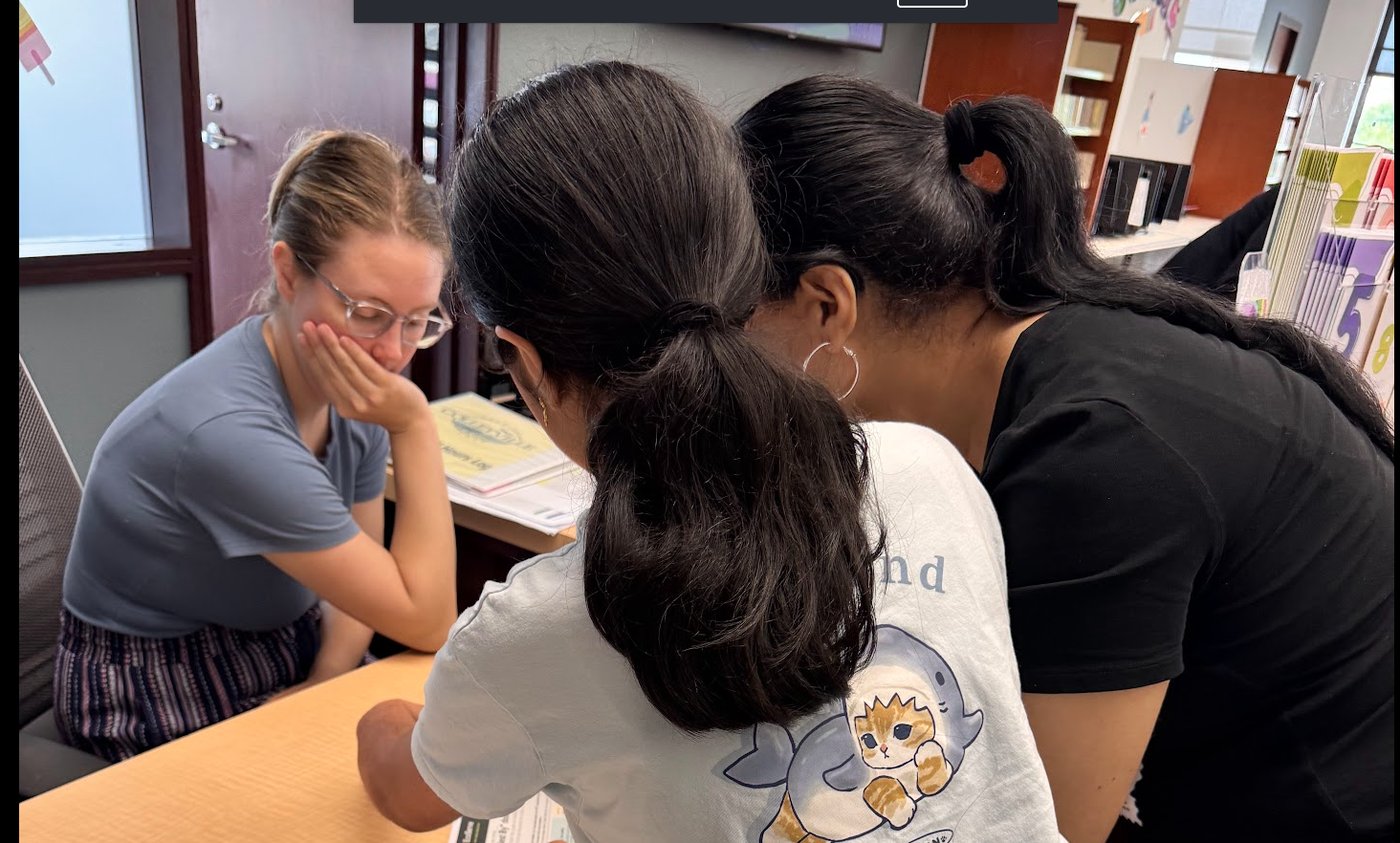
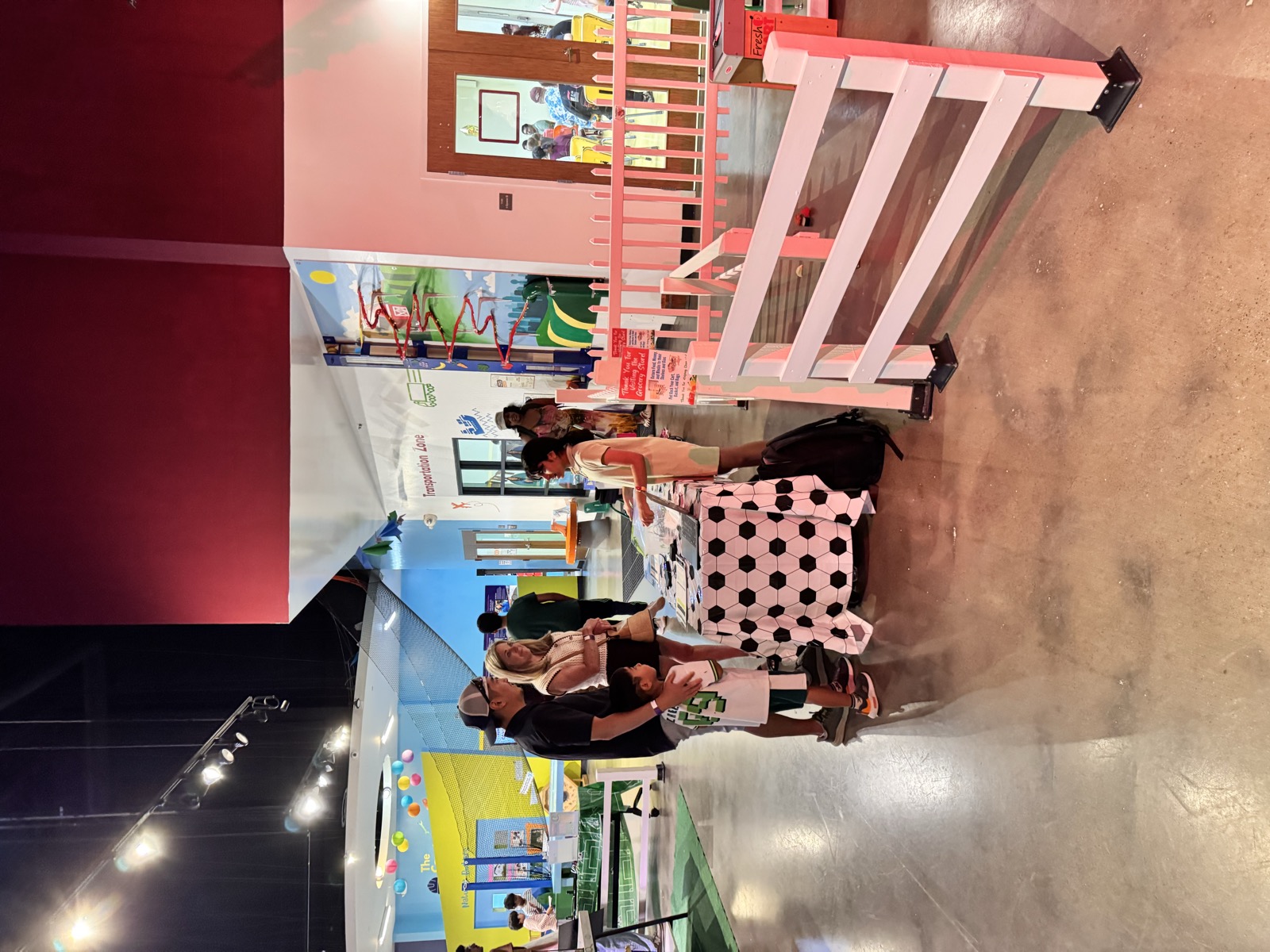
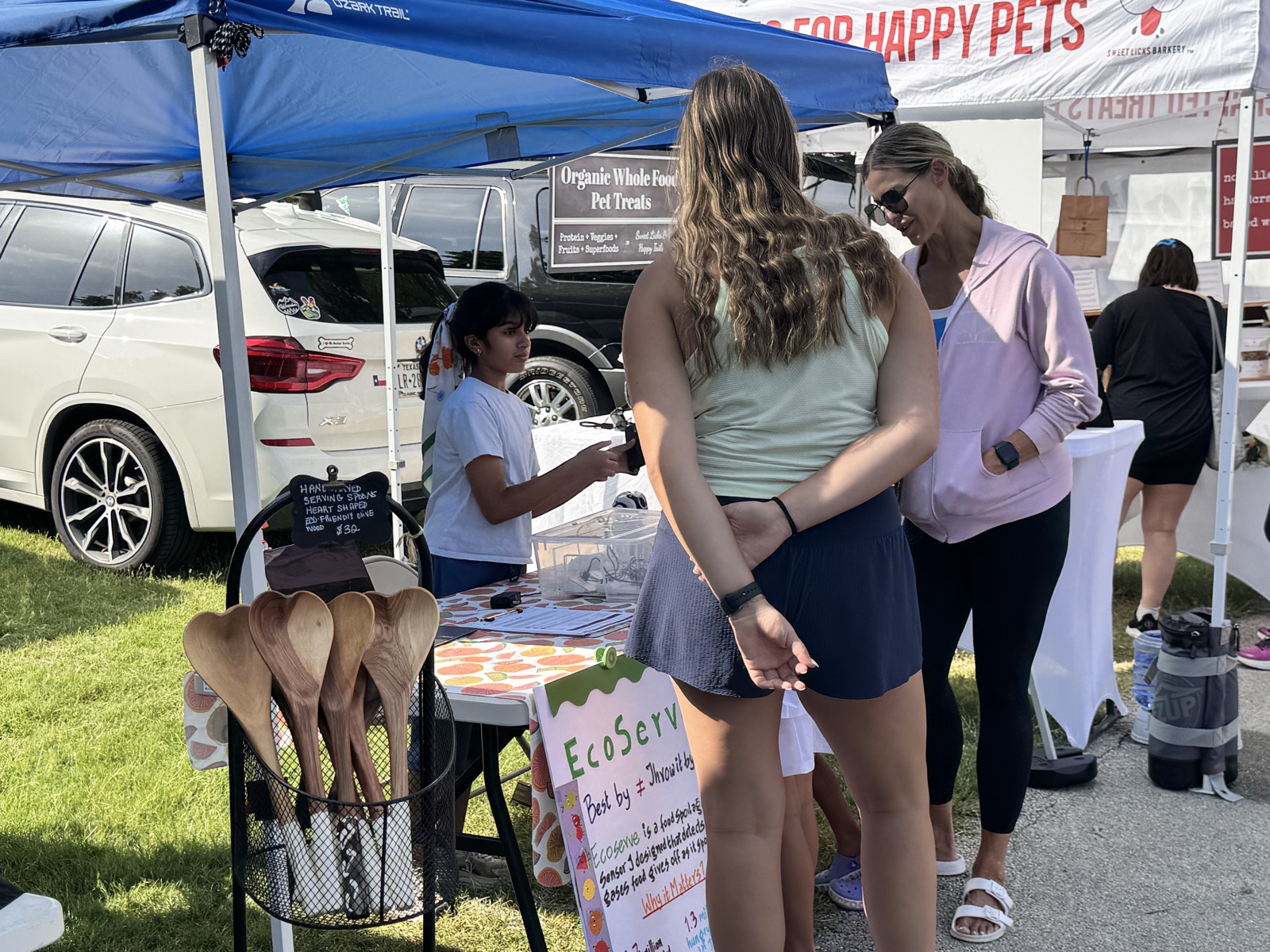
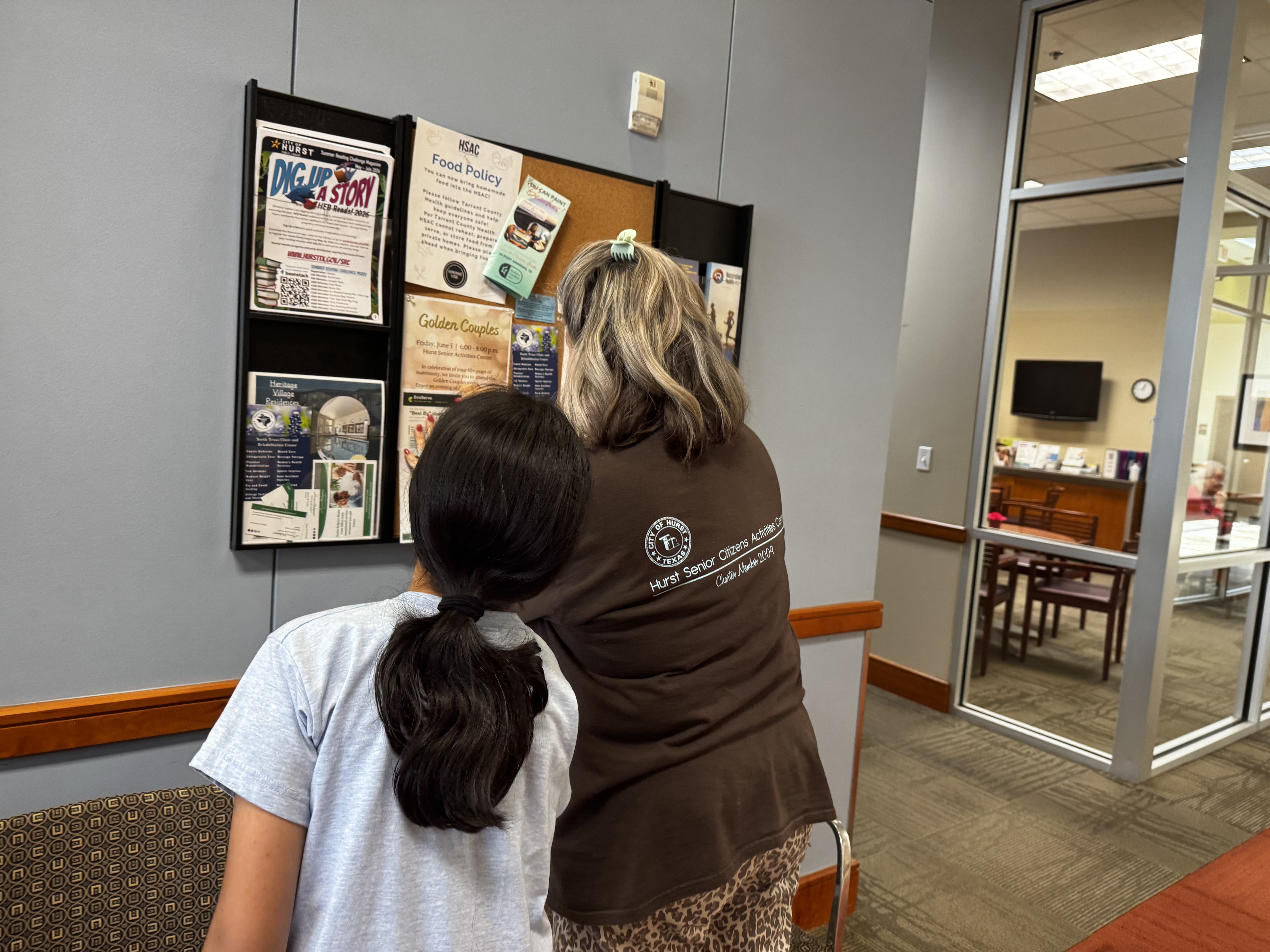
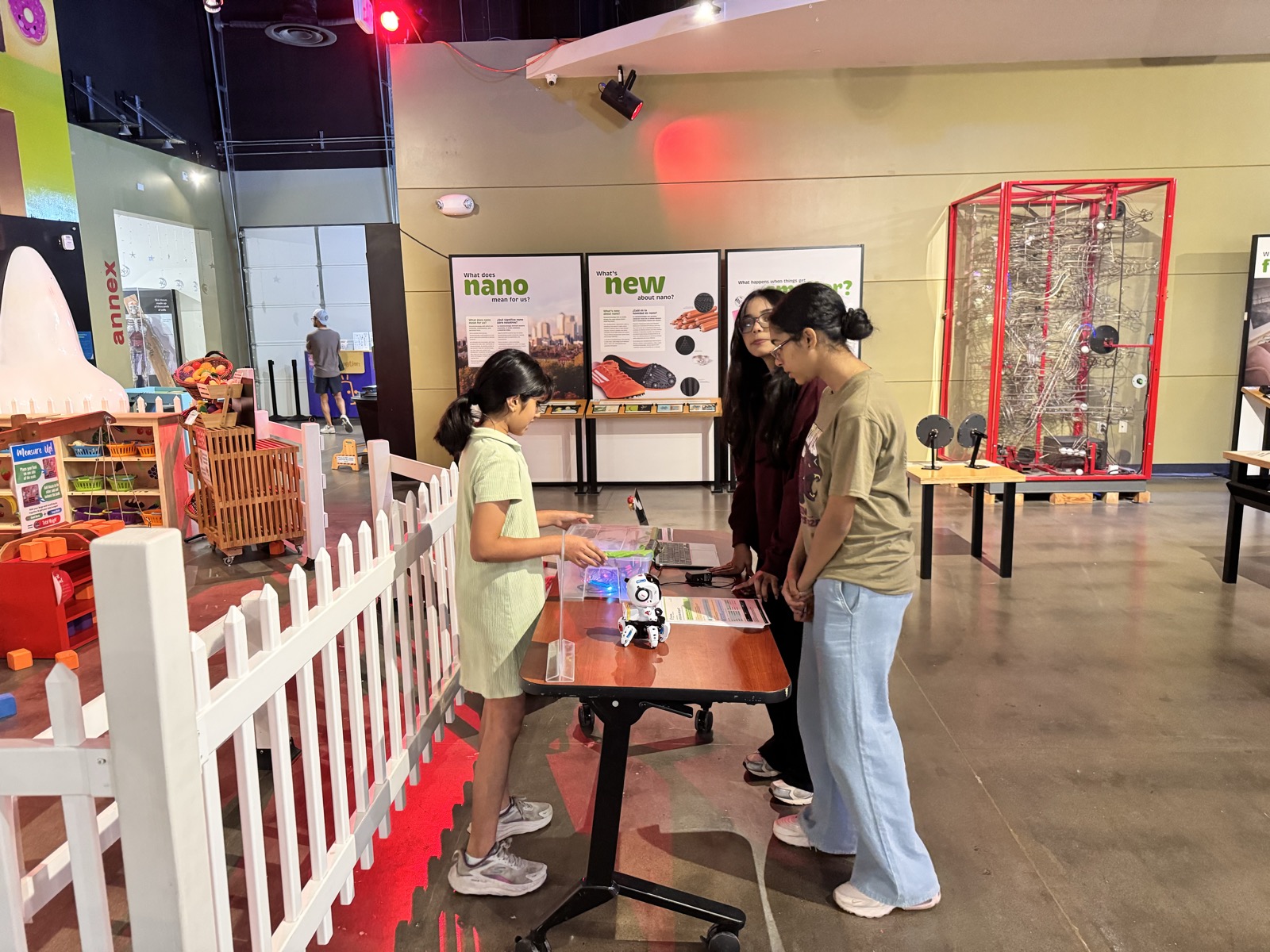
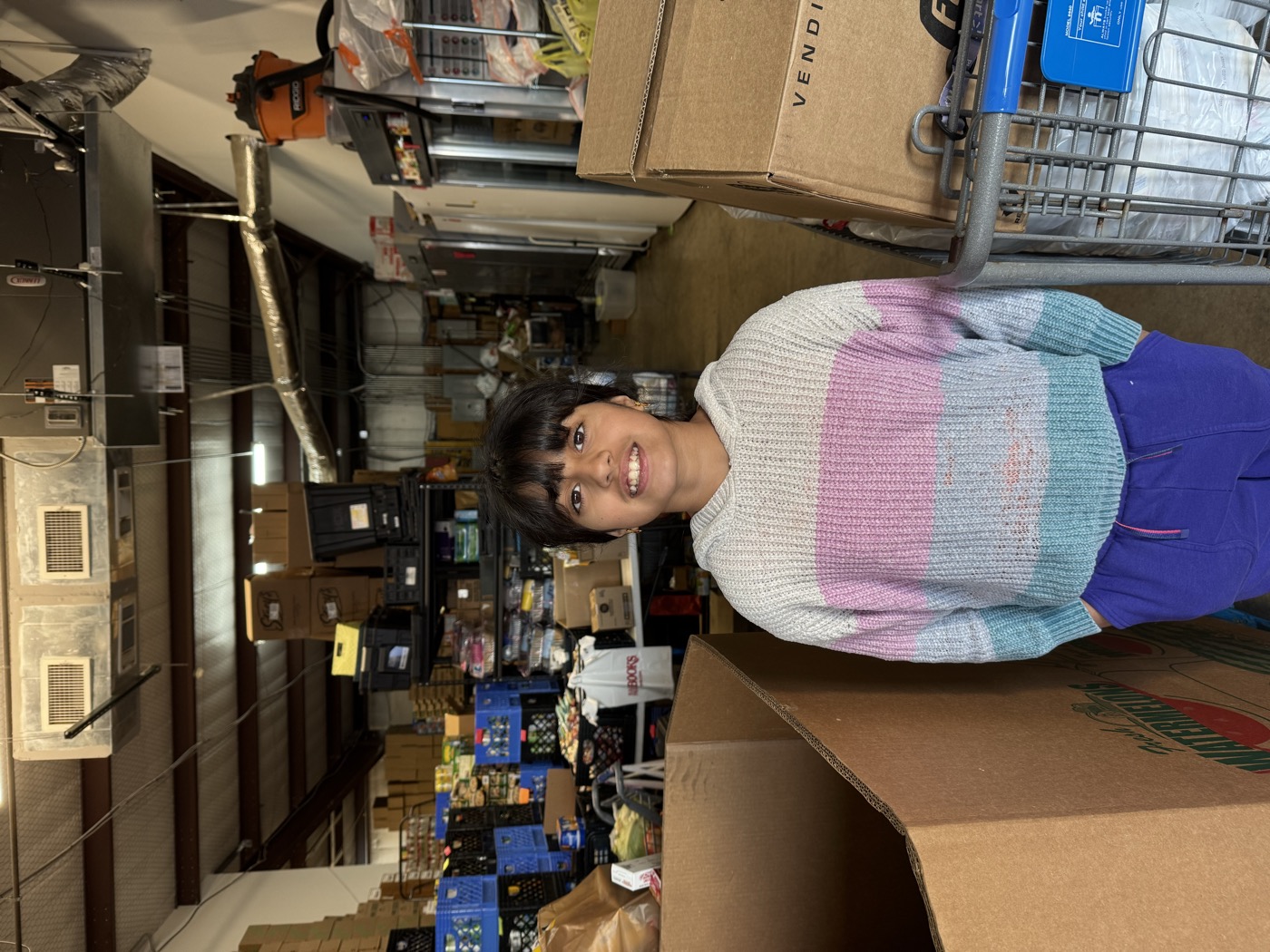
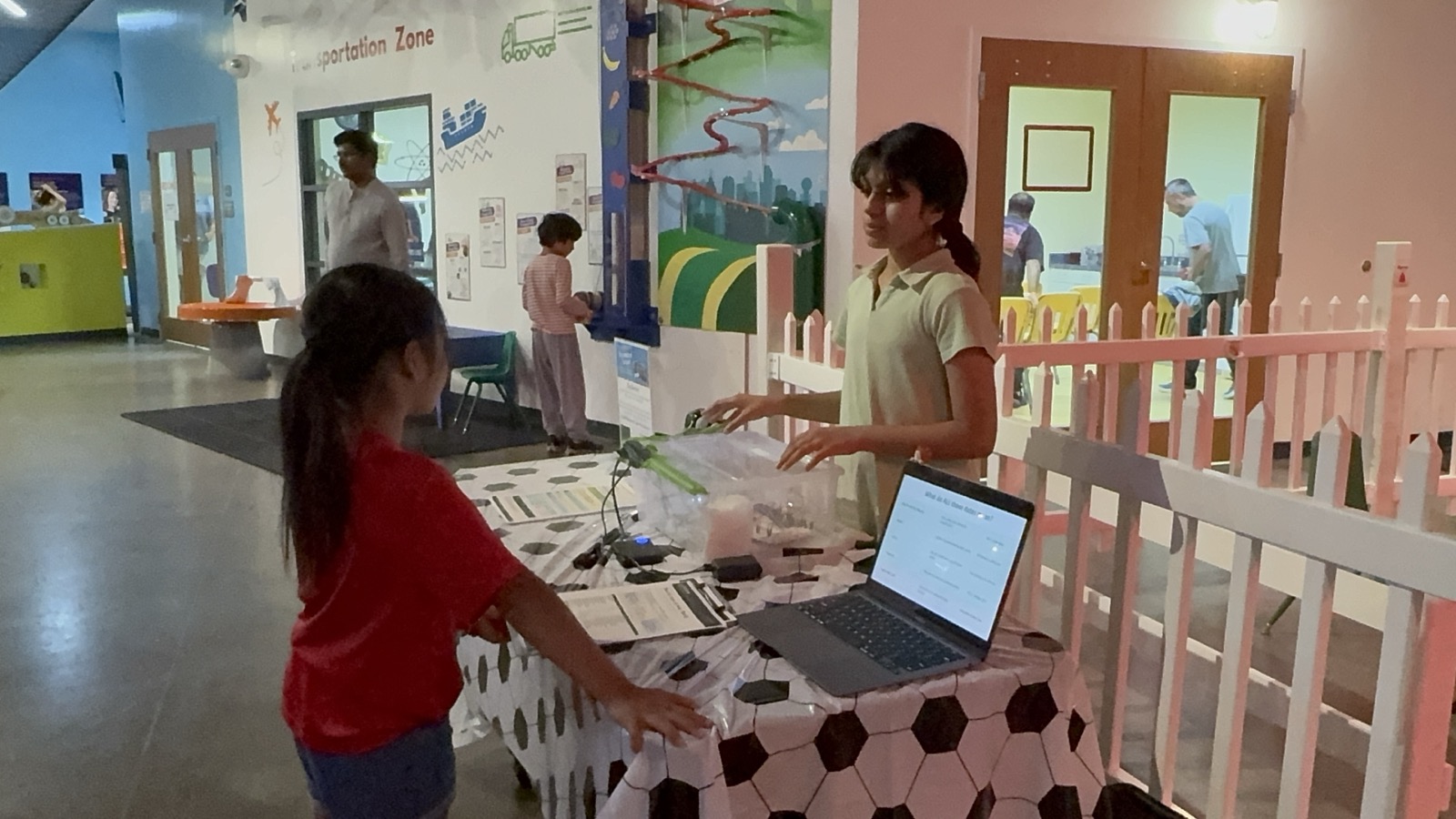
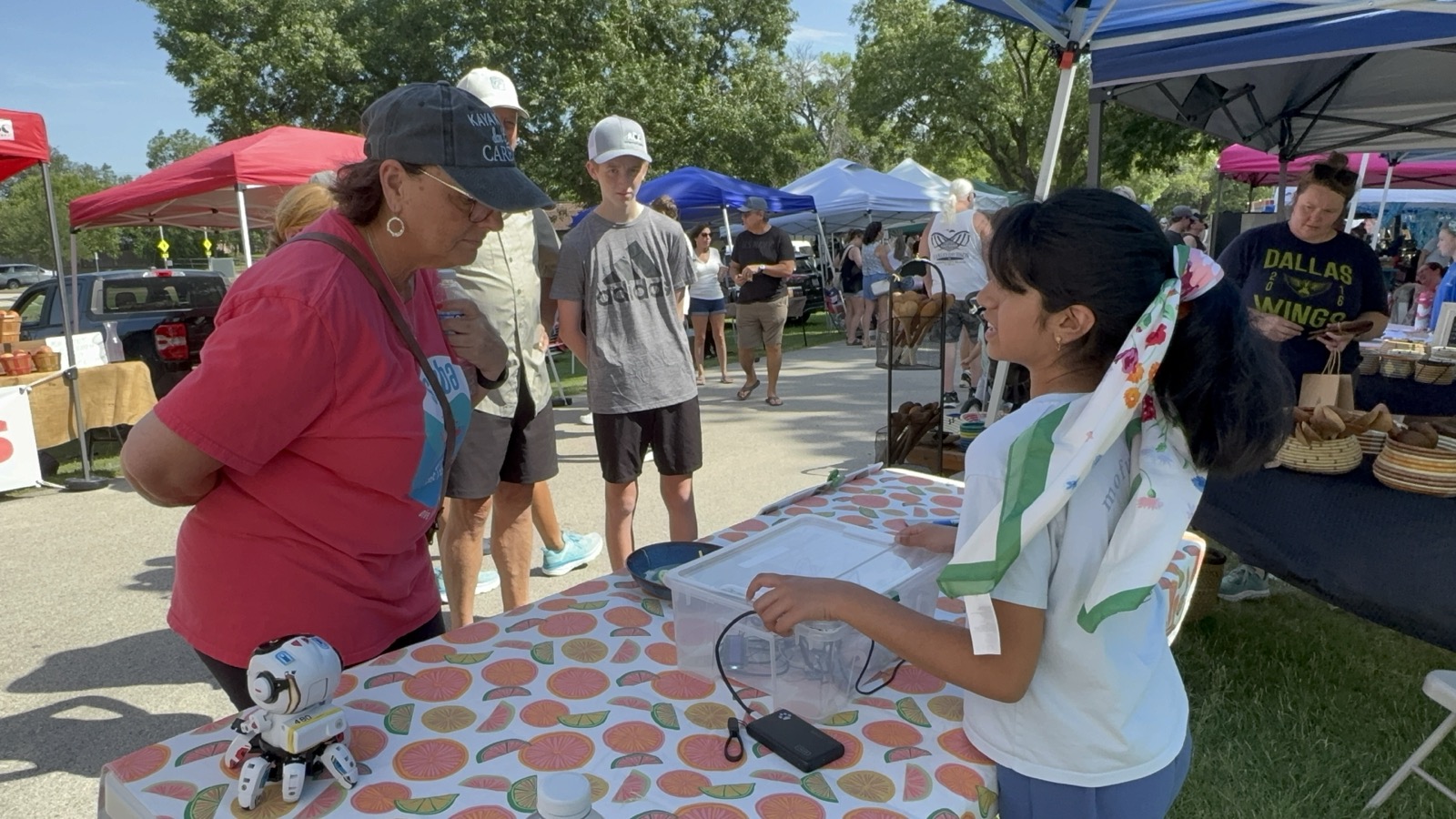
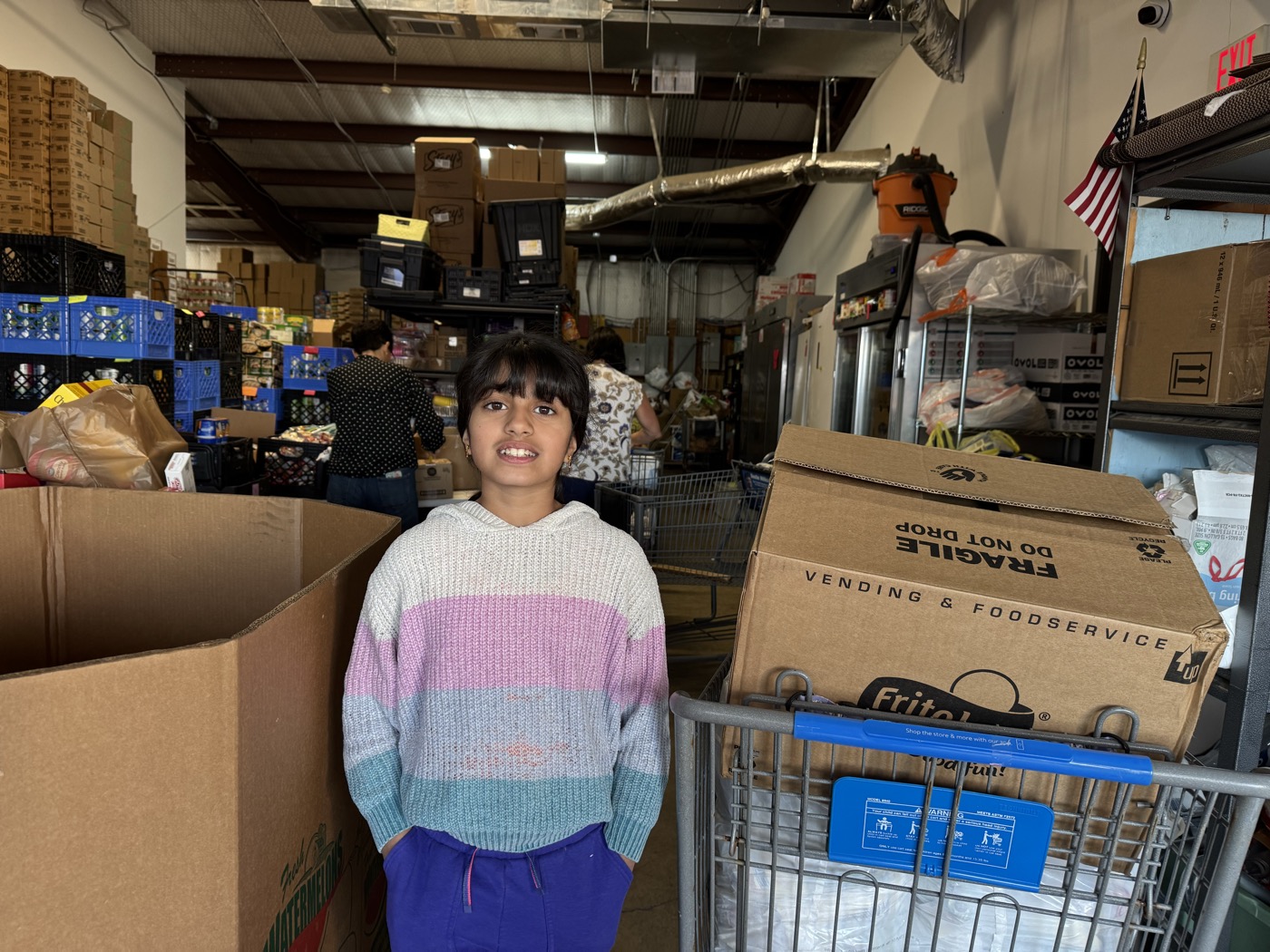
One little gadget. Three big plans.
I built a little sensor.
It sniffs the gases food gives off when it's spoiling. It knows about 8 hours before my nose does. I've made 5 versions and run 24 experiments. (Most of them broke. That's how you learn.)
See the Lab Notebook 02 · THE KITCHEN HELPI'm sharing what I figured out.
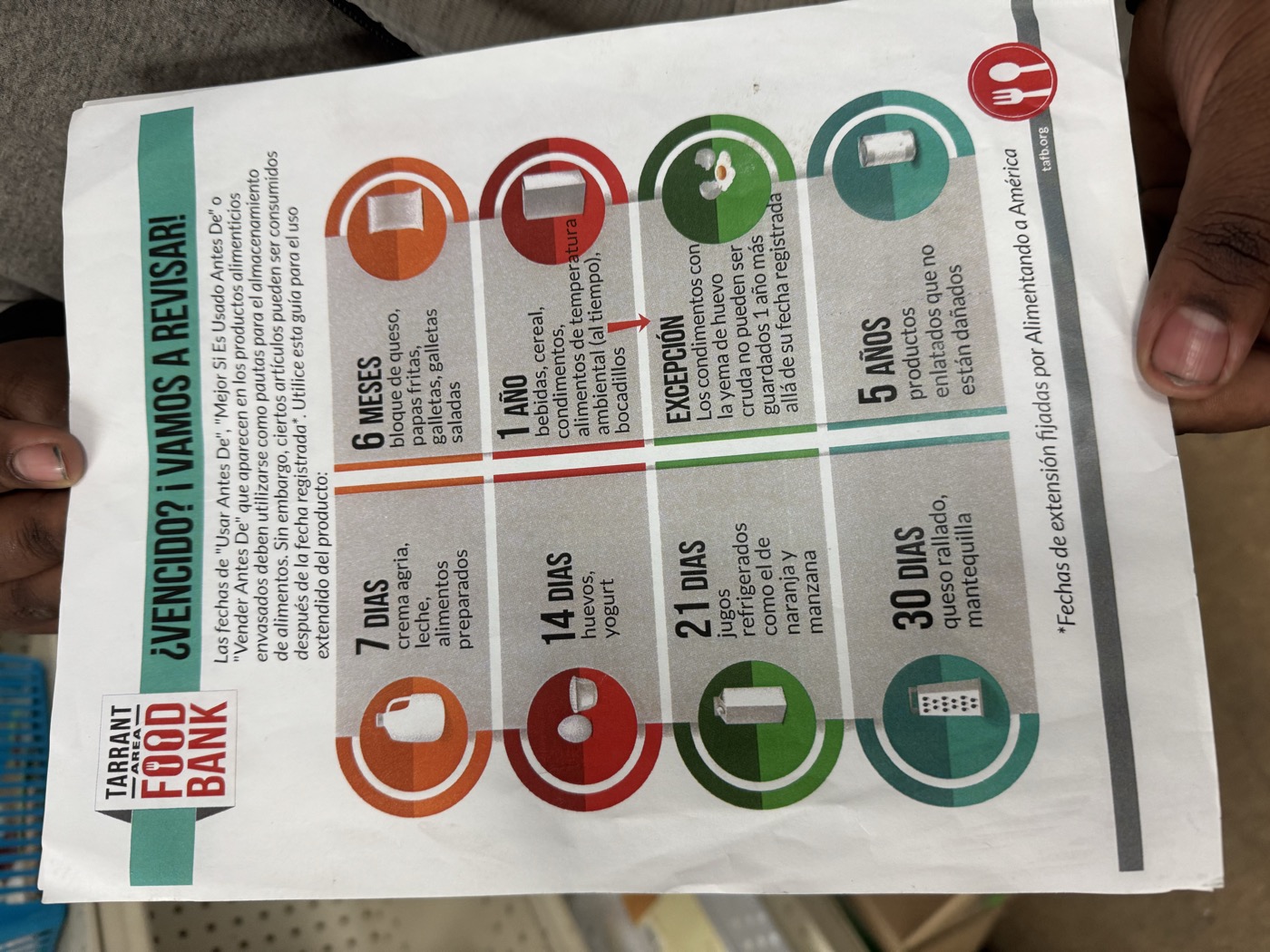
Free printables and "is this still good?" tricks for families and kids. Bust some food myths. Save your strawberries. Stop throwing perfectly fine food in the trash.
Bust some myths 03 · THE BIG FIXI'm writing letters too.
The dates on food labels are confusing on purpose (well, kind of). I'm writing to my congresswoman and the Texas Department of Agriculture to ask them to fix that, with real numbers from my sensor.
See the advocacy workMy sensor, doing its job.
Here it is on the workbench: the little screen shows the spoilage reading, the green light means "still good," and the red one means "uh oh." When I put it near food that's started going bad, you can actually watch the numbers drop.
All my experiments